
Atlanta Tattoo Ink & Skin Reactions: What Experienced Local Artists Watch For Before and After Your Tattoo
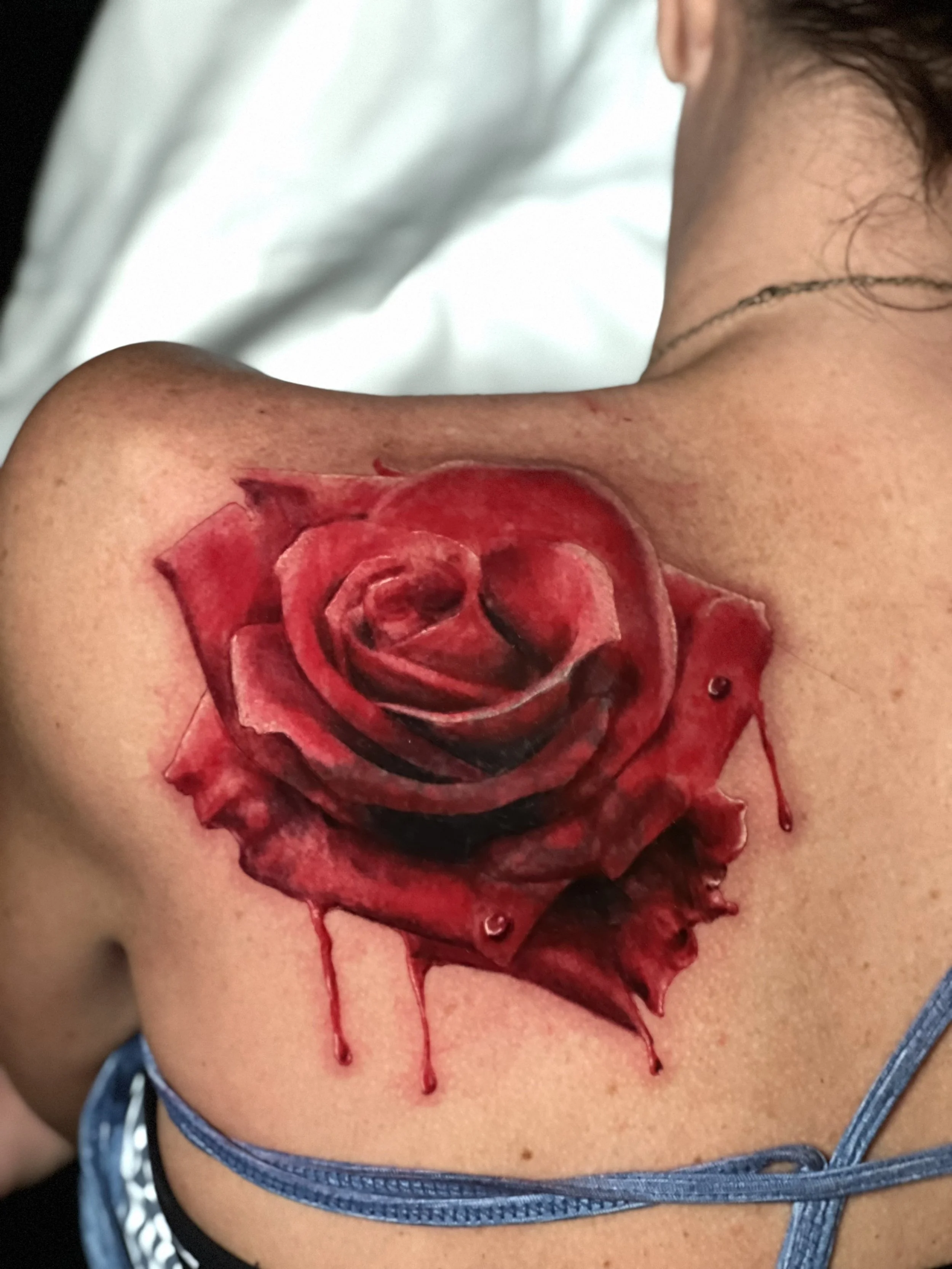
Getting a tattoo is an exciting experience, but it also involves placing pigment into the skin, which means your body naturally responds during healing. Most tattoos heal normally with proper care, but some clients may experience irritation, sensitivity, or reactions depending on skin type, aftercare habits, and even the ink used.
That is why experienced tattoo artists pay close attention to how skin behaves before, during, and after the appointment.
If you are searching for trusted information about Atlanta tattoo ink skin reactions, this guide explains what local artists commonly watch for, how to reduce risk, and when to seek help.
Why Skin Reactions Can Happen After a Tattoo
Tattooing creates controlled trauma to the skin by depositing pigment into the dermis. Your body then begins a healing response.
Normal short-term reactions often include:
Mild redness
Swelling
Tenderness
Warmth in the area
Light scabbing or flaking
Itching during healing
These are common parts of recovery.
However, some reactions go beyond normal healing and need closer attention.
What Local Atlanta Artists Check Before Tattooing
Professional artists often assess the skin before starting.
They may look for:
Sunburned skin
Active acne in the area
Eczema flare-ups
Cuts or abrasions
Rash or irritation
Excessive dryness
Recent chemical peels or treatments
If skin is already compromised, many artists will recommend rescheduling.
Studios offering professional tattoo artist Atlanta services understand that healthy skin often heals better and holds ink more consistently.
Ink Sensitivities: What Can Trigger a Reaction?
While many clients never experience issues, some individuals may be sensitive to specific pigments or ingredients.
Possible triggers can include:
Preservatives
Carrier solutions
Certain colour pigments
Fragrances in aftercare products
Nickel sensitivity from unrelated jewellery contact during healing
Reactions are individual, which is why consultation matters.
Colours Artists Watch Closely
Some colours historically receive more attention than others because of ingredient differences.
Red Ink
Red pigments are often mentioned in sensitivity discussions and may cause itching or bumps in some people.
Yellow and Orange
These colours may occasionally react more strongly in sun-exposed areas.
White Highlights
White ink can be more subtle in healed results and may sometimes require touch-ups depending on skin tone and placement.
This does not mean these colours are unsafe. It simply means experienced artists monitor healing carefully.
If you are looking for custom tattoo consultations Atlanta, discussing colour plans in advance is smart.
What Skin Reactions Look Like
Local artists often educate clients on the difference between normal healing and warning signs.
Usually Normal
Light redness first few days
Peeling like a mild sunburn
Itching during healing
Slight dryness
Needs Attention
Spreading redness
Hot skin around tattoo
Thick yellow or green discharge
Severe swelling after several days
Raised rash beyond tattoo lines
Persistent bumps weeks later
According to the American Academy of Dermatology skin reaction guidance, unusual swelling, rash, or signs of infection should be evaluated promptly.
Why Atlanta Climate Can Affect Healing
Atlanta’s warm temperatures and humidity can influence fresh tattoo healing.
Artists often remind clients to manage:
Sweat during workouts
Tight clothing friction
Outdoor sun exposure
Dirty gym surfaces
Excess moisture trapped under wraps
Clients searching best tattoo shop Atlanta often value aftercare advice tailored to local climate conditions.
How Good Artists Reduce Risk During the Session
Professional studios focus on safety systems that help minimise complications.
That includes:
Sterile single-use needles
Fresh gloves and barrier protection
Clean stations
Quality professional inks
Proper skin prep
Correct tattoo depth and technique
The CDC infection prevention resources highlight the importance of hygiene and contamination control in procedures involving skin penetration.
What Aftercare Mistakes Cause Irritation
Sometimes the issue is not the ink at all. It is aftercare habits.
Common mistakes include:
Over-applying ointment
Using fragranced lotion too early
Picking scabs
Scratching itchy areas
Swimming too soon
Heavy sweating immediately after tattooing
Wearing abrasive clothing
Studios providing tattoo aftercare Atlanta advice often spend time explaining that overcare can be just as harmful as undercare.
Can Sensitive Skin Still Get Tattooed?
Yes, many people with sensitive skin get tattoos successfully.
Helpful steps include:
Booking a consultation first
Mentioning eczema or allergies
Starting with a small tattoo
Avoiding irritated areas
Following aftercare exactly
Using fragrance-free products
If you are looking for a personal tattoo artist Atlanta, choose someone willing to discuss skin concerns openly.
When Artists Recommend Waiting
Responsible tattoo artists may advise delaying your session if you have:
Active rash
Sunburn
Severe dryness
Recent laser treatment
Open wounds
Illness affecting healing
That is professionalism, not inconvenience.
Final Thoughts
Most tattoos heal smoothly when done by professionals and cared for properly. Still, experienced artists know that every client’s skin is different. That is why they watch for irritation, sensitivity, healing behaviour, and environmental factors before and after the session.
If you are concerned about Atlanta tattoo ink skin reactions, the best step is choosing an experienced studio, being honest about allergies or skin history, and following aftercare carefully.
Great tattoos are not only about design. They are also about healthy healing.
FAQs
1. Is redness normal after a tattoo?
Yes, mild redness and tenderness are common during the first few days.
2. Can tattoo ink cause allergic reactions?
Some individuals may react to certain pigments or ingredients, though many do not.
3. Which tattoo colours react the most?
Red pigments are often discussed in sensitivity cases, but reactions vary by person.
4. Can I get tattooed with eczema?
Possibly, but avoid active flare-up areas and discuss it with your artist first.
5. When should I seek medical help?
If you have spreading redness, severe swelling, fever, or unusual discharge, seek professional advice.