
Biomechanics of Tattooing: How Professional Tattoo Artists in Atlanta Control Depth and Pressure
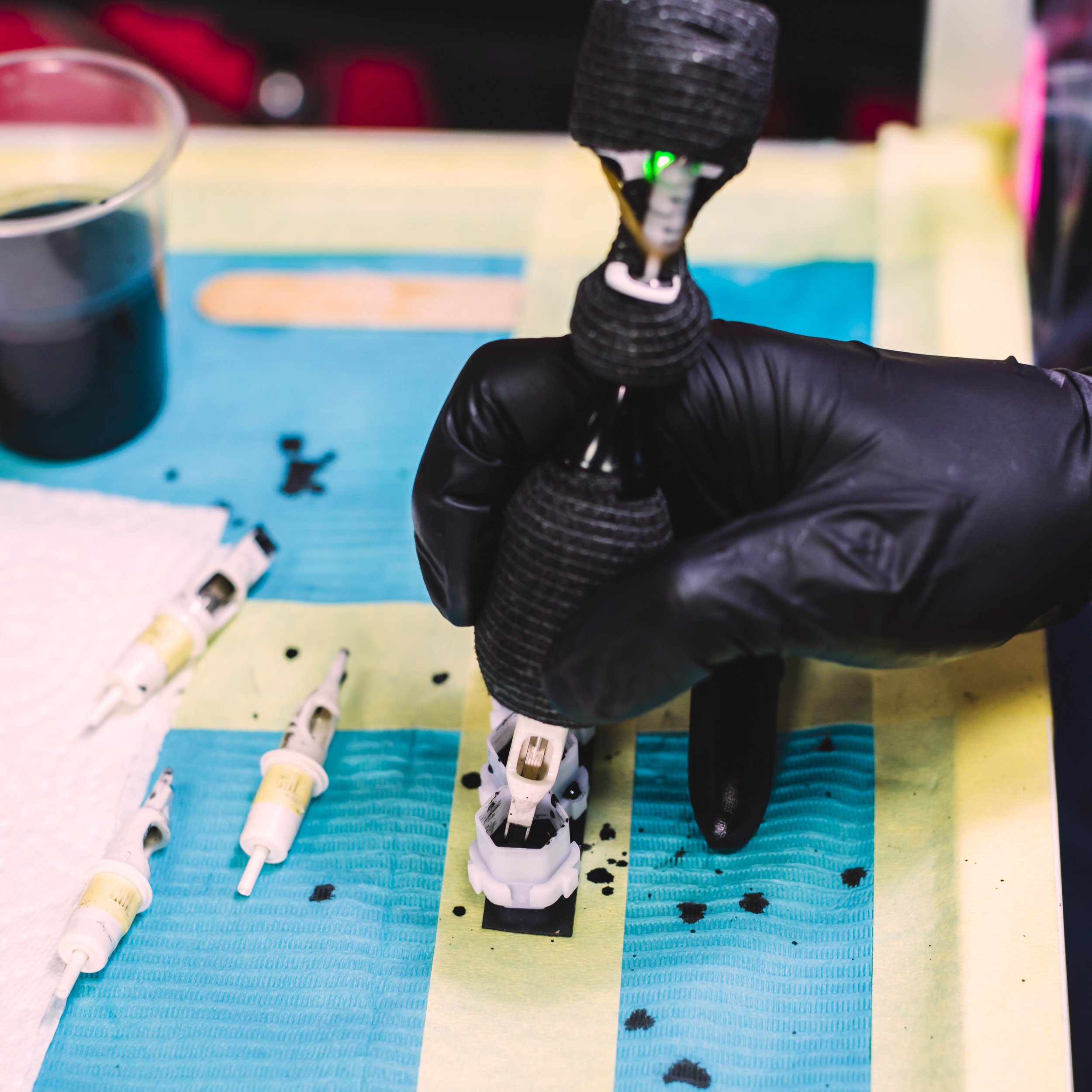
Tattooing is often seen as an art form, but behind every clean line and smooth gradient lies a complex understanding of biomechanics. Professional tattoo artists do not simply draw on skin. They carefully control depth, pressure, hand speed, and machine voltage to create precise, long-lasting designs.
If you are searching for a professional tattoo artist Atlantatechnique, understanding how these elements work together will give you a deeper appreciation of the craft and help you choose the right artist for your next tattoo.
Why Biomechanics Matters in Tattooing
Biomechanics in tattooing refers to how the artist’s body, machine, and the client’s skin interact during the tattoo process. Every movement, from wrist angle to hand speed, directly impacts how the ink is deposited.
A skilled artist offering professional tattoo services in Atlanta understands that tattooing is not just about design. It is about controlling variables that affect:
Ink retention
Skin trauma
Healing quality
Long-term appearance
Without proper control, even a well-designed tattoo can heal poorly or lose definition over time.
Understanding Skin Structure and Response
The Target Layer: Dermis
Tattoo ink must be deposited into the dermis, the layer beneath the outer epidermis. This is where ink remains stable over time.
If the needle goes:
Too shallow, the ink fades quickly
Too deep, it can cause blowouts or scarring
Professional artists who specialise in tattoo technique in Atlanta train extensively to consistently hit the correct depth.
Skin Variability
Not all skin behaves the same. Factors such as age, hydration, and body placement affect how the skin responds.
For example:
Thinner skin requires lighter pressure
Thicker areas can handle deeper penetration
Sensitive areas may swell more quickly
According to theAmerican Academy of Dermatology, understanding skin health and condition is critical in preventing complications during procedures like tattooing.
Depth Control: The Core of Professional Technique
Machine Depth vs Hand Pressure
Depth is influenced by both machine setup and the artist’s hand.
Machine settings determine how far the needle can travel, but it is the artist’s hand that ultimately controls how deeply the needle enters the skin.
Experienced artists offering professional tattoo artist Atlanta technique rely on muscle memory and tactile feedback. They can feel resistance changes in the skin and adjust instantly.
Signs of Correct Depth
A well-executed tattoo shows:
Clean, crisp lines
Even ink distribution
Minimal bleeding
Too much trauma or inconsistent lines often indicate poor depth control.
Hand Speed: Balancing Precision and Efficiency
Why Speed Matters
Hand speed refers to how quickly the artist moves the needle across the skin. It must be perfectly synchronised with machine speed and voltage.
If hand speed is:
Too fast, the ink may not deposit properly
Too slow, it can overwork the skin
Artists providing custom tattoo work in Atlanta develop a rhythm that allows them to maintain consistency throughout the session.
Building Muscle Memory
Hand speed is not something that can be mastered overnight. It requires years of practice.
Professional artists train their hands to:
Maintain steady motion
Adjust speed based on design complexity
Respond to skin feedback in real time
This level of control is what separates beginners from experienced professionals.
Voltage: Controlling Machine Power
How Voltage Affects Tattooing
Voltage determines how fast the tattoo machine operates. Higher voltage increases needle speed, while lower voltage slows it down.
Artists adjust voltage depending on:
Line work vs shading
Skin type
Needle configuration
For example:
Line work often requires higher voltage for crisp lines
Shading uses lower voltage for softer gradients
Studios offering professional tattoo services in Atlanta often use advanced machines that allow precise voltage adjustments.
Matching Voltage with Hand Speed
Voltage and hand speed must work together. If the machine runs too fast and the hand moves too slow, it can damage the skin.
Balancing these factors is a key part of the professional tattoo artist Atlanta technique.
Pressure: The Subtle but Critical Factor
Light vs Heavy Pressure
Pressure refers to how firmly the artist presses the machine against the skin.
Too much pressure can:
Cause unnecessary trauma
Lead to scarring
Increase healing time
Too little pressure can:
Result in uneven ink deposition
Cause patchy healing
Experienced artists apply just enough pressure to maintain consistent contact without damaging the skin.
Tactile Feedback
Professional tattoo artists rely heavily on touch. They can feel how the needle interacts with the skin and adjust pressure instantly.
This sensory awareness is developed over time and is a hallmark of artists specialising in tattoo technique in Atlanta.
Equipment and Its Role in Precision
Machine Types
Modern tattoo artists often use rotary or pen-style machines for better control.
These machines provide:
Smooth operation
Consistent needle motion
Reduced vibration
This allows for more precise depth and pressure control.
Needle Configurations
Different needles serve different purposes:
Liners for outlines
Shaders for gradients
Magnum needles for filling larger areas
Choosing the right needle is essential for achieving the desired result.
Skin Trauma and Healing Response
Minimising Damage
A key goal in professional tattooing is to minimise skin trauma. Less trauma means faster healing and better ink retention.
According to theCenters for Disease Control and Prevention, maintaining proper hygiene and technique is essential in preventing infections and complications.
Signs of Healthy Healing
A properly executed tattoo will:
Heal evenly
Retain its colour
Avoid excessive scabbing
Artists who follow proper professional tattoo artist Atlanta technique prioritise both the tattoo process and the healing outcome.
Why Experience and Training Matter
Tattooing is a skill that combines art, science, and physical coordination. It cannot be mastered through theory alone.
When searching for the best professional tattoo artist Atlanta, look for:
Years of experience
Consistent portfolio quality
Positive client feedback
Strong hygiene practices
Experienced artists understand how to adapt their technique to different clients and conditions.
Choosing the Right Artist in Atlanta
Atlanta is home to a diverse tattoo community, but not every artist has mastered the biomechanics of tattooing.
When selecting an artist:
Ask about their technique and process
Review healed tattoo photos
Visit the studio in person
Ensure proper licensing and cleanliness
If you are looking for custom tattoo work in Atlanta, choosing an artist with strong technical skills ensures better results and a safer experience.
Final Thoughts
The biomechanics of tattooing reveal just how much skill goes into every piece of body art. From depth and pressure to hand speed and voltage, each factor must be carefully controlled to achieve a clean, lasting tattoo.
For clients in Atlanta, working with a professional who understands these principles is essential. A skilled artist not only creates beautiful designs but also ensures that your tattoo heals well and stands the test of time.
If you are serious about quality, choosing a professional who has mastered the professional tattoo artist Atlanta technique will make all the difference.
FAQs
1. How do tattoo artists control needle depth?
They adjust machine settings and rely on hand control and experience to maintain consistent depth.
2. What happens if a tattoo needle goes too deep?
It can cause blowouts, scarring, and distorted designs.
3. Does machine voltage affect tattoo quality?
Yes, voltage controls needle speed and must be balanced with hand movement for proper ink deposition.
4. Why is hand speed important in tattooing?
Hand speed determines how evenly ink is applied and helps prevent overworking the skin.
5. How can I tell if a tattoo artist has good technique?
Look for clean lines, smooth shading, and well-healed tattoos in their portfolio.