
Metal Allergies and Body Piercing: Choosing Safe Jewelry in Atlanta
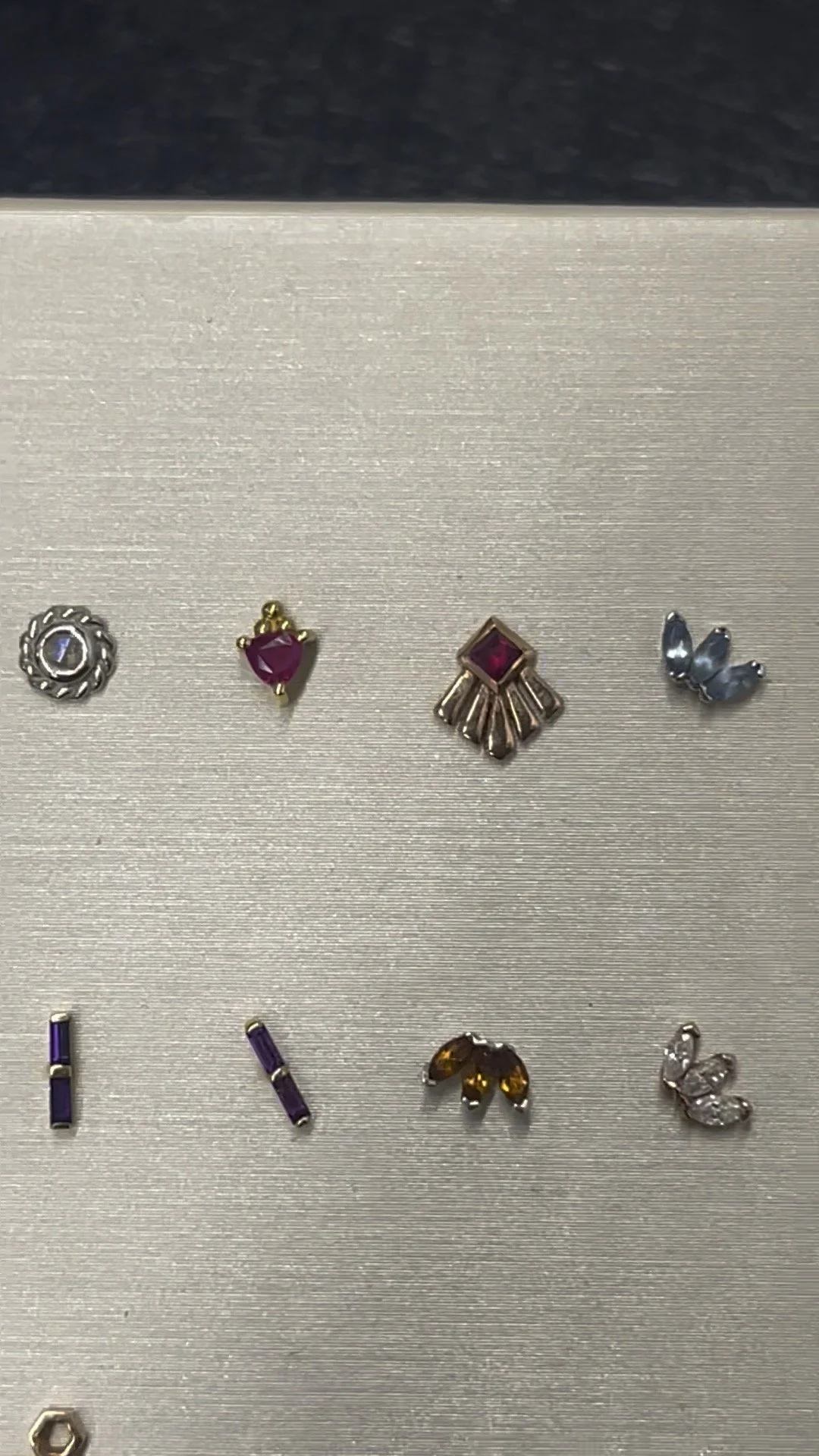
Body piercing is a powerful form of self-expression, but for many people, metal allergies can turn an exciting experience into a frustrating one. Redness, itching, swelling, and irritation are often linked to the type of jewelry used rather than the piercing itself.
If you are searching for hypoallergenic body piercing Atlanta, understanding the differences between titanium, surgical steel, and gold can help you avoid complications and heal comfortably. This guide explores how metal allergies work and how professional piercers in Atlanta choose safe jewelry for their clients.
Understanding Metal Allergies in Body Piercing
Metal allergies occur when your immune system reacts to certain metals, most commonly nickel. This reaction can lead to contact dermatitis, which causes discomfort and delays healing.
In body piercing, this risk is higher because jewelry sits inside the skin during the healing process. Choosing the wrong material can lead to prolonged irritation or even infection.
According to the American Academy of Dermatology, nickel allergy is one of the most common skin sensitivities worldwide. This is why professional piercers prioritise hypoallergenic materials for new piercings.
Why Jewelry Material Matters More for Fresh Piercings
When a piercing is new, your body is actively healing. The tissue is sensitive and more vulnerable to irritation.
Low-quality metals can:
Release allergens into the skin
Cause inflammation
Slow down healing
Increase the risk of infection
Studios offering safe body piercing in Atlanta carefully select piercing jewelry materials that minimise these risks. The right choice supports faster healing and a better overall experience.
Titanium: The Gold Standard for Hypoallergenic Piercings
Why Titanium Is Widely Recommended
Titanium is often considered the safest option for body piercings, especially for individuals with sensitive skin.
Benefits include:
Completely nickel-free
Lightweight and comfortable
Highly resistant to corrosion
Biocompatible with the human body
Professional piercers offering hypoallergenic body piercing Atlanta services frequently use implant-grade titanium because it meets strict medical standards.
Ideal for First-Time Piercings
Titanium is commonly used for initial piercings because it reduces the risk of allergic reactions.
It is especially recommended for:
Ear piercings
Nose piercings
Cartilage piercings
If you are unsure about your sensitivity, titanium is the safest starting point.
Surgical Steel: Popular but Not Always Allergy-Free
Understanding Surgical Steel
Surgical steel is a widely used material in body jewelry, but it is not always completely hypoallergenic.
Most surgical steel contains small amounts of nickel. While this is safe for many people, those with nickel sensitivity may still experience reactions.
When Surgical Steel Works
For individuals without metal allergies, surgical steel can be a durable and cost-effective option.
Studios offering professional piercing services in Atlanta may use high-quality surgical steel that meets industry standards. However, it is important to confirm the grade of steel being used.
Potential Risks
If you have a known nickel allergy, surgical steel may not be the best choice. Even trace amounts of nickel can trigger irritation.
Gold: Safe When It Meets the Right Standards
Choosing the Right Karat
Gold can be a safe option for body piercings, but only if it meets certain criteria.
Recommended options include:
14k or 18k solid gold
Nickel-free compositions
Lower karat gold or gold-plated jewelry may contain alloys that cause irritation.
Solid vs Plated Gold
Solid gold is generally safe, while gold-plated jewelry can wear down over time, exposing underlying metals that may trigger allergies.
Studios offering custom body jewelry in Atlanta often provide high-quality gold options designed specifically for piercings.
Aesthetic and Comfort Benefits
Gold is popular for its appearance and durability. When properly selected, it offers both style and safety.
Comparing Titanium, Surgical Steel, and Gold
Titanium
Best for sensitive skin
Completely nickel-free
Ideal for healing piercings
Surgical Steel
Durable and affordable
May contain nickel
Suitable for those without allergies
Gold
Safe when high quality and nickel-free
Offers premium aesthetic appeal
Requires careful selection
Understanding these differences helps you make informed decisions when choosing jewelry for your piercing.
How Atlanta Piercers Help Clients Avoid Allergic Reactions
Professional Consultation
Experienced piercers take the time to understand your skin sensitivity and medical history. This allows them to recommend the safest jewelry options.
Studios specialising in hypoallergenic body piercing Atlanta services often prioritise consultation as part of the process.
High-Quality Sourcing
Reputable studios use jewelry from trusted manufacturers that meet industry standards. This reduces the risk of contamination and allergic reactions.
Education and Transparency
Professional piercers explain the materials they use and why they are recommended. This transparency builds trust and ensures clients feel confident in their choices.
Signs of a Metal Allergy in Piercings
It is important to recognise the signs of an allergic reaction early.
Common symptoms include:
Persistent redness
Itching or burning sensation
Swelling that does not improve
Fluid discharge
According to the Centers for Disease Control and Prevention, proper hygiene and material selection are key factors in preventing complications in procedures involving skin penetration.
If you experience these symptoms, consult a professional piercer or healthcare provider.
Aftercare Tips for Sensitive Skin
Keep It Clean
Use a sterile saline solution to clean your piercing twice daily. Avoid harsh chemicals that can irritate the skin.
Avoid Switching Jewelry Too Soon
Changing jewelry before the piercing is fully healed can introduce bacteria and trigger reactions.
Stick to Hypoallergenic Materials
Even after healing, continuing to wear safe materials helps prevent long-term irritation.
For additional skin care guidance, resources from Healthline provide helpful insights into managing sensitive skin and piercings.
Choosing a Safe Piercing Studio in Atlanta
If you are concerned about metal allergies, selecting the right studio is essential.
Look for:
Use of implant-grade titanium or high-quality gold
Clear explanation of jewelry materials
Strong hygiene practices
Positive client reviews
Studios offering safe body piercing in Atlanta will prioritise your health and comfort from the start.
Final Thoughts
Metal allergies should not stop you from enjoying body piercings. With the right knowledge and guidance, you can choose jewelry that supports healing and prevents irritation.
Titanium remains the safest option for most people, while surgical steel and gold can be suitable depending on your sensitivity and the quality of the material.
For anyone seeking hypoallergenic body piercing Atlanta, working with an experienced professional ensures that your piercing journey is safe, comfortable, and successful.
FAQs
1. What is the best metal for sensitive skin in piercings?
Titanium is the best option because it is completely nickel-free and highly biocompatible.
2. Can I be allergic to surgical steel?
Yes, surgical steel may contain small amounts of nickel, which can trigger reactions in sensitive individuals.
3. Is gold safe for new piercings?
Yes, but only if it is 14k or 18k solid gold and free from nickel.
4. How do I know if I have a metal allergy?
Common signs include redness, itching, swelling, and irritation that does not improve over time.
5. Can I switch to different jewelry after healing?
Yes, but it is still recommended to choose high-quality, hypoallergenic materials to avoid future reactions.