
What Actually Happens If a Tattoo Gets Infected (And How Atlanta Shops Prevent It)
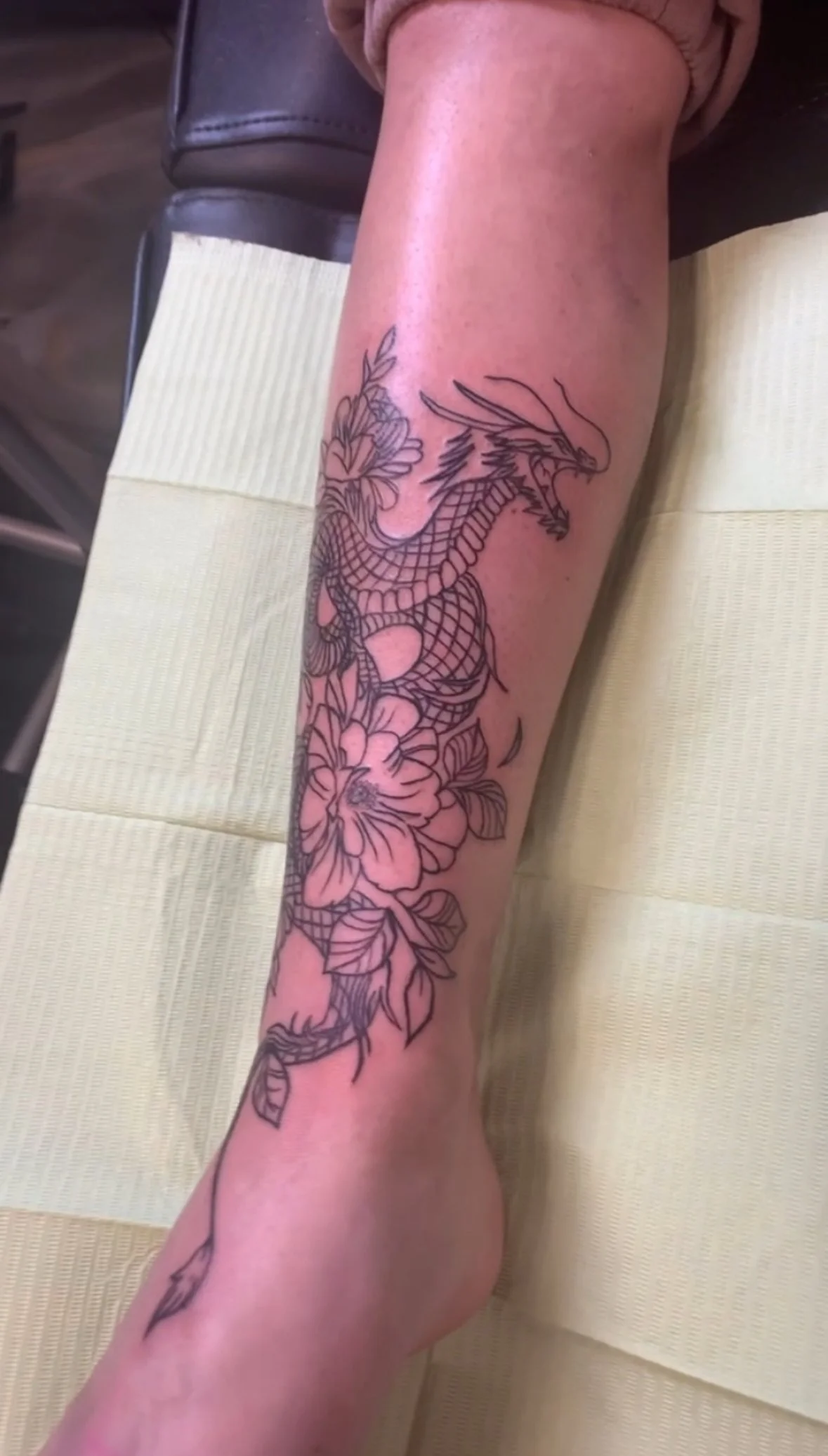
Getting a tattoo is a professional skin procedure that requires proper aftercare, sterile equipment, and experienced application techniques. While most tattoos heal without complications, infections can happen when safety standards or aftercare practices are ignored.
In Atlanta’s growing tattoo industry, professional studios place major emphasis on hygiene and client education because tattoo infections are not only painful, they can also damage skin, distort artwork, and lead to long-term complications if untreated.
Understanding what tattoo infections actually look like, how they develop, and how reputable Atlanta tattoo shops work to prevent them helps clients make safer decisions before booking an appointment.
What Causes a Tattoo Infection?
A tattoo infection occurs when bacteria enter broken skin during or after the tattooing process. Since tattoo needles penetrate the skin repeatedly, the area becomes vulnerable while healing.
Infections are commonly caused by:
Unsterile equipment
Poor aftercare habits
Touching the tattoo with dirty hands
Swimming or excessive sweating too early
Using contaminated ointments or products
Tattooing in unregulated environments
Professional tattoo shops in Atlanta reduce these risks through strict sanitation procedures and detailed client aftercare education.
Early Signs of a Tattoo Infection
Many people confuse normal tattoo healing with infection symptoms. While redness and mild swelling are expected during the first few days, infection symptoms typically become progressively worse instead of improving.
Common tattoo infection signs include:
Severe or spreading redness
Excessive swelling after several days
Yellow or green pus discharge
Strong heat around the tattoo area
Persistent throbbing pain
Fever or chills
Bad odor from the tattoo site
If these symptoms appear, clients should seek medical attention promptly.
Understanding the difference between healing irritation and infection is important for protecting both skin health and tattoo quality.
Learn more about healing expectations in tattoo aftercare and healing guidance in Atlanta.
What Actually Happens During a Tattoo Infection
When bacteria enter the skin, the body launches an immune response to fight the infection.
This response causes inflammation, increased blood flow, swelling, and heat in the affected area. If untreated, the infection can begin damaging surrounding tissue.
In more severe cases, infections may lead to:
Scarring
Ink distortion or fading
Skin texture damage
Delayed healing
Deeper tissue infection
The earlier an infection is identified, the easier it is to treat without permanent damage.
Why Professional Tattoo Shops Focus So Heavily on Sterility
Professional tattoo artists understand that safety is just as important as artistic skill.
Reputable Atlanta studios follow strict protocols designed to minimize contamination risks before, during, and after the tattoo session.
These practices often include:
Single-use needles and disposable materials
Medical-grade disinfectants
Barrier protection on equipment
Hand hygiene and glove changes
Sterilized workstations
Proper biohazard disposal methods
Studios that visibly maintain these standards help clients feel safer and significantly reduce infection risks.
You can learn more about professional hygiene standards through Atlanta tattoo studio safety practices.
Poor Aftercare Is One of the Biggest Infection Risks
Even when a tattoo is done perfectly, improper aftercare can still lead to infection.
Many infections happen because clients:
Scratch peeling skin
Over-moisturize the tattoo
Expose the tattoo to dirty surfaces
Ignore aftercare instructions
Submerge fresh tattoos in pools or hot tubs
Fresh tattoos are open wounds during the healing stage. Treating them carefully during this period is essential.
Professional studios in Atlanta usually provide detailed written aftercare instructions to reduce avoidable complications.
Why Cheap or Unlicensed Tattooing Increases Infection Risk
One of the biggest safety concerns in the tattoo industry comes from unlicensed or poorly regulated environments.
Low-cost tattoo setups may lack:
Proper sterilization equipment
Disposable materials
Sanitation training
Safe ink handling practices
This dramatically increases the likelihood of contamination.
Experienced Atlanta tattoo artists often encourage clients to prioritize cleanliness and professionalism over pricing alone because correcting infected or damaged tattoos can become far more expensive later.
The Role of Client Communication in Preventing Infections
Good tattoo shops do more than create artwork. They educate clients.
Professional artists typically explain:
How long healing takes
What products to use
What activities to avoid
When to seek medical attention
What normal healing looks like
This communication helps reduce panic while also helping clients recognize genuine warning signs early.
Studios that prioritize client education often experience fewer healing complications overall.
External Health Standards That Support Safe Tattooing
Professional tattoo safety practices align with recognized health and dermatology standards.
Trusted external resources include:
Centers for Disease Control and Prevention infection prevention recommendations which outline proper hygiene and contamination control practices
American Academy of Dermatology tattoo skin care guidance which explains healing expectations and skin safety recommendations
Association of Professional Piercers safety standards which support sterile body modification procedures and sanitation protocols
These organizations reinforce the importance of proper sterilization, informed aftercare, and regulated procedures.
How Atlanta Tattoo Shops Build Client Trust Through Safety
In Atlanta’s competitive tattoo market, cleanliness and professionalism strongly influence client trust.
Studios that consistently demonstrate strong safety standards often build better reputations through:
Positive client reviews
Transparent hygiene practices
Detailed consultations
Consistent aftercare support
Professional licensing visibility
Clients are more likely to return to studios where they feel informed, respected, and safe throughout the process.
The Psychological Impact of Tattoo Infections on Clients
Tattoo infections affect more than physical healing. They also create emotional stress.
Clients may experience:
Anxiety about permanent skin damage
Fear of tattoo distortion
Loss of confidence in future tattoos
Financial stress from medical treatment
This is why prevention matters so much. A safe experience protects not only the artwork but also the client’s long-term confidence and comfort.
How Clients Can Lower Their Infection Risk
Clients play an important role in safe healing. To reduce infection risks, tattoo professionals recommend:
Following aftercare instructions exactly
Washing hands before touching the tattoo
Avoiding pools, lakes, and hot tubs
Wearing clean, breathable clothing
Avoiding excessive sun exposure during healing
Contacting the studio if unusual symptoms appear
Consistent aftercare is one of the biggest factors in achieving healthy healing results.
FAQs
1. What are the first signs of a tattoo infection?
Early signs include spreading redness, swelling, heat, pus discharge, and increasing pain instead of gradual healing improvement.
2. Can a tattoo infection damage the tattoo permanently?
Yes. Severe infections can cause scarring, fading, distortion, and uneven healing if untreated.
3. How do professional Atlanta tattoo shops prevent infections?
Professional studios use sterile equipment, disposable materials, disinfected workstations, and detailed aftercare education.
4. Is redness normal after getting a tattoo?
Mild redness and swelling are normal during early healing, but symptoms should improve over time rather than worsen.
5. When should someone see a doctor for a tattoo infection?
Medical attention is recommended if there is pus, fever, severe swelling, spreading redness, or worsening pain.
Final Insight
Tattoo infections are preventable in most cases when professional safety standards and proper aftercare are followed carefully.
Experienced Atlanta tattoo shops understand that client safety is directly connected to reputation, trust, and long-term results. By combining sterile practices, strong communication, and proper healing guidance, professional studios help clients enjoy safe healing and high-quality tattoos with confidence.