
Best Jewelry Metals for New Piercings in Atlanta’s Urban Environment
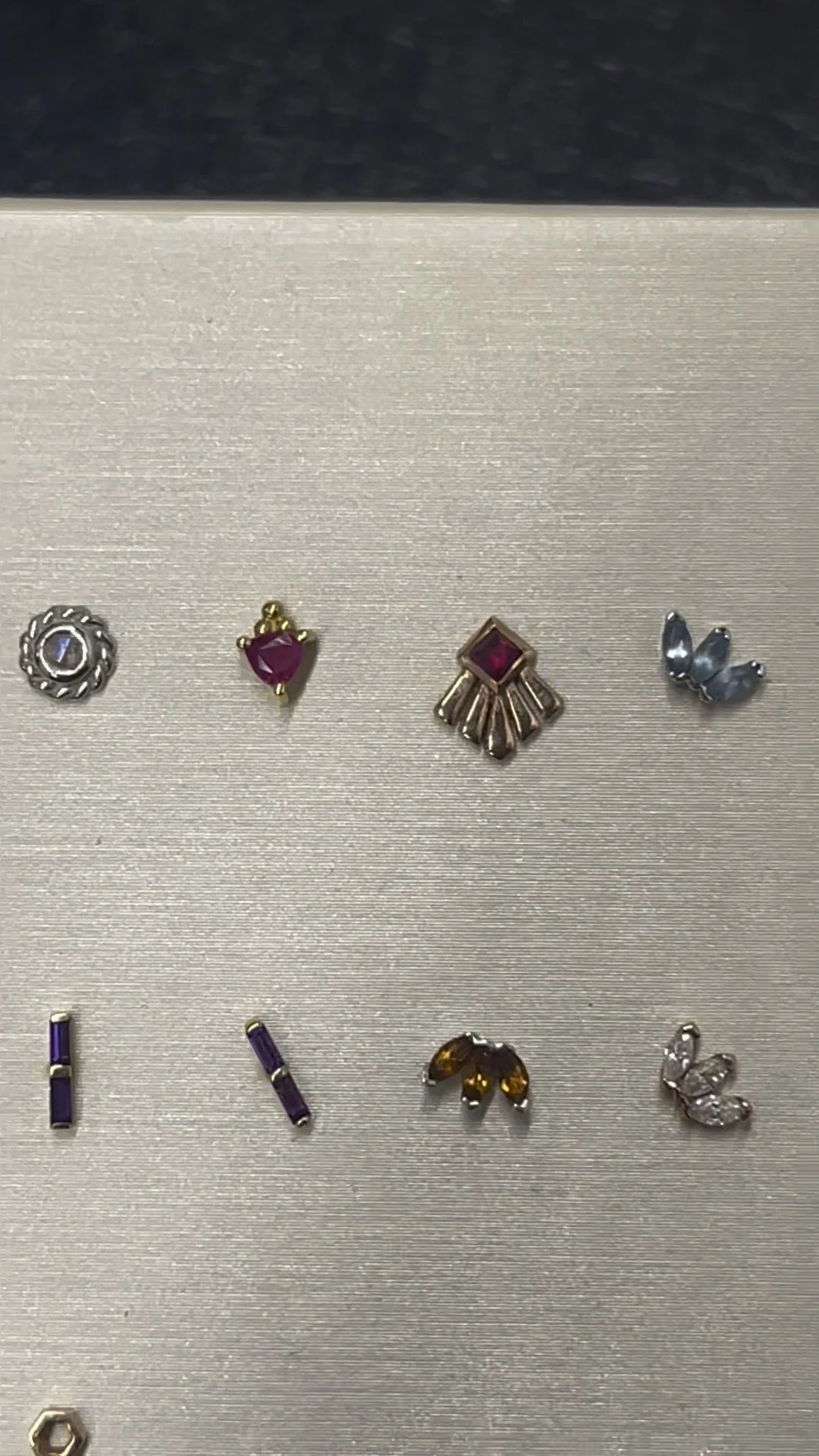
Choosing the right jewelry is one of the most important steps when getting a new piercing. While style and appearance matter, the material used in your jewelry can directly affect how well your piercing heals.
Professional piercers often emphasize metal quality because the body treats new piercings as small wounds that need time to recover. Wearing the wrong jewelry material during this stage can cause irritation, allergic reactions, or prolonged healing.
If you are planning to visit a body piercing Atlanta studio, understanding the best jewelry metals can help you protect your new piercing while it heals properly.
Urban environments like Atlanta present unique challenges as well. Pollution, humidity, and daily activity can expose fresh piercings to bacteria and irritants. High quality jewelry materials help minimize these risks.
Below are the metals most professional piercers recommend for new piercings.
Implant Grade Titanium: The Gold Standard for Healing
Implant grade titanium is widely considered the safest material for new piercings.
This metal is commonly used in medical implants because it is extremely biocompatible with the human body. Titanium contains no nickel, which is a common cause of allergic reactions in jewelry.
Professional piercers often recommend titanium for first time piercings because it offers several advantages:
Lightweight and comfortable
Highly resistant to corrosion
Hypoallergenic properties
Smooth surface that reduces irritation
Titanium jewelry is especially useful for people with sensitive skin or known metal allergies.
Many reputable piercing studios in Atlanta use implant grade titanium as their default starter jewelry because it promotes smoother healing.
Organizations such as the Association of Professional Piercers also recommend implant grade titanium for initial piercings due to its proven safety profile.
Surgical Stainless Steel: A Reliable Alternative
Another common material used in piercing jewelry is surgical stainless steel.
This metal has been used in body jewelry for decades and remains a popular choice for many studios. Surgical steel is durable, affordable, and widely available.
However, it is important to understand that some surgical steel alloys may contain small amounts of nickel. While most people tolerate this well, individuals with metal sensitivities may experience irritation.
Despite this limitation, surgical stainless steel remains a safe option for many new piercings when used in high quality grades.
Professional piercers ensure that the jewelry used meets safety standards recommended by health authorities and professional organizations.
Solid Gold: Luxury with Proper Purity
Gold jewelry is often chosen for its elegant appearance and timeless appeal.
However, not all gold jewelry is suitable for fresh piercings. For healing piercings, professionals typically recommend solid 14k or 18k gold.
Lower purity gold may contain higher concentrations of alloy metals that can irritate the skin.
When used properly, solid gold jewelry provides several benefits:
Excellent corrosion resistance
Smooth polished surfaces
Long lasting durability
Gold pieces are often used for nostril piercings, ear piercings, and decorative jewelry after the initial healing stage.
If you are considering a nose piercing, learning about nostril piercing Atlanta options and jewelry materials can help you choose the best style and metal combination.
Niobium: A Lesser Known but Safe Option
Niobium is another metal that has gained popularity among professional piercers.
Like titanium, niobium is highly biocompatible and rarely causes allergic reactions. It also has the ability to be anodized, allowing it to display different colors without using chemical coatings.
Advantages of niobium jewelry include:
Hypoallergenic properties
Resistance to corrosion
Smooth surface finish
Because of these qualities, niobium is sometimes recommended for clients who experience irritation with other metals.
Why Cheap Metals Can Cause Problems
Low quality jewelry materials can lead to complications during the healing process.
Some inexpensive metals contain:
Nickel
Copper
Zinc alloys
These materials may oxidize or react with body fluids, causing redness, itching, or swelling around the piercing.
In urban environments like Atlanta, environmental factors such as humidity and pollution can accelerate metal corrosion. That is why professional studios strongly recommend high quality jewelry for new piercings.
Following professional standards also helps ensure the piercing heals safely and comfortably.
The Role of Metal Quality in Piercing Healing
Jewelry material plays a major role in the healing process.
When a piercing is performed, the needle creates a small channel through the skin. The body then begins a healing process that stabilizes the tissue around the jewelry.
Understanding how tattoos heal scientifically helps illustrate a similar biological process where the immune system works to protect damaged tissue. While piercings heal differently, both procedures rely on the body’s ability to repair skin and prevent infection.
High quality metals reduce friction and irritation during this healing stage.
This allows the body to form stable tissue around the jewelry more efficiently.
Jewelry Shape and Surface Finish Matter Too
Beyond metal type, jewelry design also affects healing.
Professional piercers select starter jewelry that features:
Smooth polished surfaces
Rounded edges
Appropriate length for swelling
Rough or poorly finished jewelry can irritate the piercing channel and delay healing.
Reputable studios follow guidelines promoted by organizations such as the Centers for Disease Control and Prevention to maintain safe body art practices and infection prevention.
Urban Lifestyle and Piercing Care
Living in a busy metropolitan area can influence how piercings heal.
Daily activities such as commuting, exercise, and exposure to pollution can introduce bacteria or irritants to a fresh piercing.
To protect your piercing in a city environment, consider these tips:
Clean the piercing regularly with sterile saline solution
Avoid touching the jewelry unnecessarily
Keep hair and cosmetics away from the piercing site
Follow aftercare instructions provided by your piercer
Scheduling your appointment during the best time to visit a tattoo shop in Atlanta may also help ensure optimal healing conditions.
Choosing the Right Piercing Studio
Not all studios use the same jewelry standards.
A professional body piercing Atlanta studio will prioritize high quality materials and sterile equipment to protect clients.
Signs of a reputable studio include:
Implant grade jewelry options
Sterile piercing tools
Clear aftercare guidance
Experienced piercers with professional portfolios
Studios that follow these standards provide a safer environment for new piercings and long term satisfaction.
FAQs
What metal is best for a new piercing?
Implant grade titanium is widely considered the safest metal for new piercings because it is hypoallergenic and highly biocompatible.
Can I use gold jewelry for a new piercing?
Yes, but it should be solid 14k or 18k gold. Lower purity gold may contain metals that irritate the skin.
Is surgical steel safe for piercings?
High quality surgical steel can be safe, but people with nickel sensitivity may prefer titanium or niobium.
Why does metal quality matter for piercings?
Low quality metals can cause irritation, allergic reactions, or corrosion that delays the healing process.
How long should I keep starter jewelry in a new piercing?
Most piercings require several weeks or months to heal before jewelry can be safely changed. Your piercer will provide specific guidance.
Final Thoughts
Choosing the right jewelry metal is essential for protecting a new piercing during the healing process. Materials such as implant grade titanium, surgical steel, solid gold, and niobium offer durability and biocompatibility that help support healthy healing.
In a dynamic urban environment like Atlanta, high quality jewelry becomes even more important for minimizing irritation and maintaining long term piercing health.
Working with a professional piercing studio ensures that your jewelry meets industry safety standards and gives your new piercing the best possible start.