
Tattoo Shop Safety Checklists Used by Top Atlanta Studios
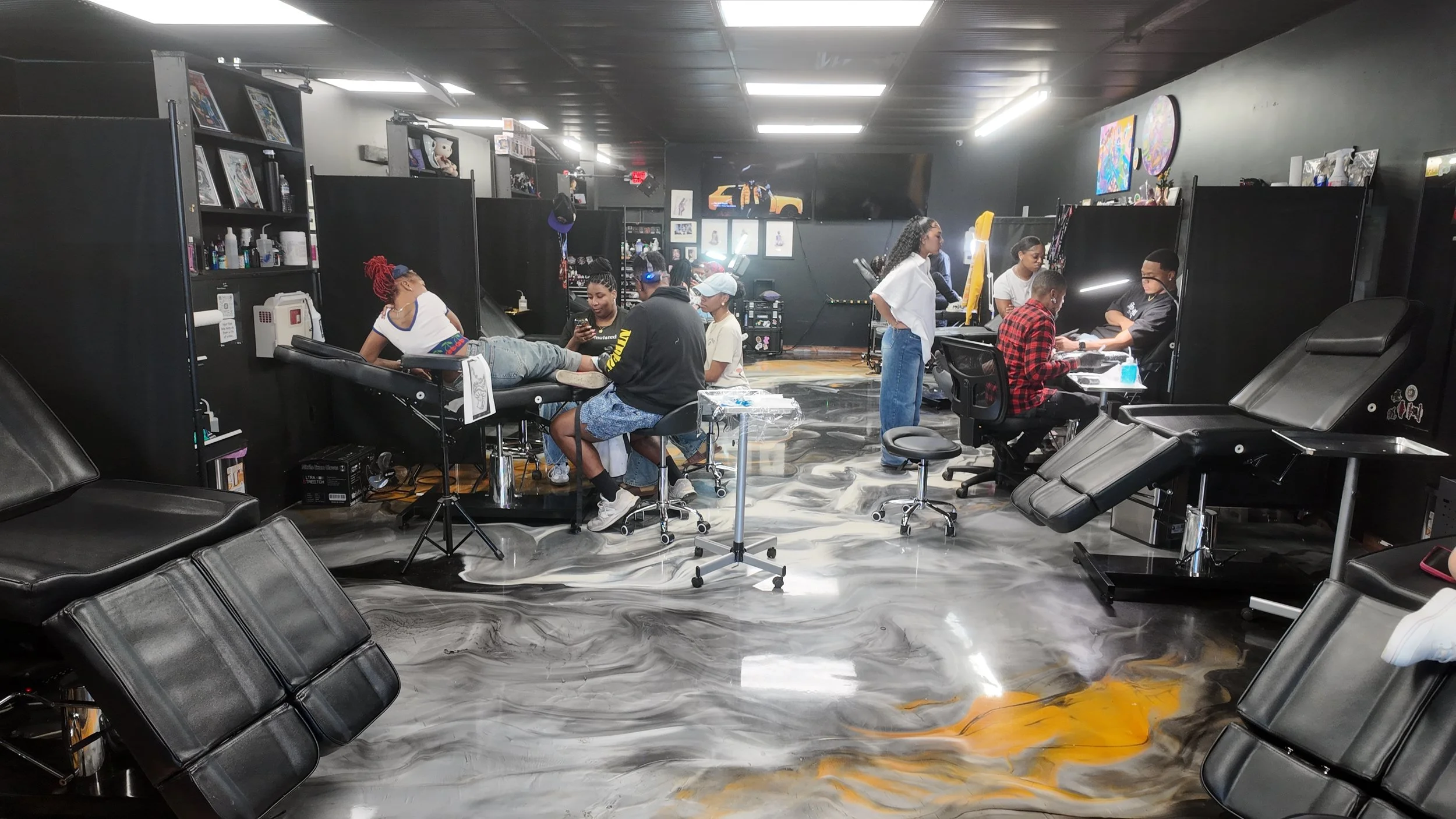
Getting a tattoo is an exciting experience, but safety should always come first. Reputable studios follow strict hygiene protocols designed to protect both the client and the artist.
If you are planning to visit a tattoo shop in Atlanta, understanding what professional studios do behind the scenes can give you confidence in your decision.
Top studios across Atlanta follow detailed safety checklists that cover everything from equipment sterilization to aftercare instructions. These procedures ensure that every tattoo session meets professional health standards.
Here is a closer look at the essential safety steps that experienced studios follow every day.
Pre-Appointment Safety: Client Screening and Consultation
Professional studios begin safety procedures before the tattoo even starts.
A consultation allows the artist to review the design, placement, and any health considerations. During this stage, clients are typically asked about:
Skin sensitivities
Allergies to metals or pigments
Current medications
Existing skin conditions
This discussion helps the artist plan the tattoo safely and ensure the skin is suitable for the procedure.
Consultations are also where clients can ask technical questions such as tattoo needle types explained, which helps them understand how different equipment is used during the session.
Equipment Sterilization Checklist
One of the most critical safety steps in any tattoo studio involves proper sterilization.
Professional tattoo artists follow strict protocols to eliminate bacteria and prevent contamination.
A standard sterilization checklist includes:
Using single-use disposable needles
Opening sterile equipment in front of the client
Wearing medical-grade gloves
Disposing of sharps in approved containers
Sanitizing work surfaces before and after each session
Many studios also use autoclave machines to sterilize reusable equipment.
Health agencies such as the Centers for Disease Control and Prevention provide infection prevention guidelines that many tattoo studios incorporate into their daily operations.
Clean Workspace Preparation
Before beginning a tattoo session, professional artists prepare the workstation carefully.
Preparation steps often include:
Covering equipment with protective barriers
Sanitizing chairs and work surfaces
Preparing sterile ink caps
Using disposable razors for skin preparation
Ensuring proper lighting and ventilation
This process creates a controlled environment that reduces the risk of contamination during the tattoo procedure.
The goal is to ensure that every surface interacting with the client or equipment remains sterile.
Safe Tattoo Application Procedures
Once the tattoo session begins, artists follow precise safety procedures to maintain cleanliness throughout the process.
These include:
Changing gloves whenever contamination may occur
Avoiding cross contact between surfaces
Using sterile water or saline solutions
Maintaining consistent needle depth
Tattoo needles deposit pigment into the dermis layer of the skin, which is why proper technique is essential for both safety and longevity.
Understanding how tattoos heal scientifically helps explain why careful needle placement and sterile conditions are so important for preventing infection and supporting healthy healing.
Ink Handling and Pigment Safety
Tattoo ink must be handled carefully to avoid contamination.
Professional studios typically follow these practices:
Pouring fresh ink into disposable caps for each client
Never reusing leftover pigment
Using sealed, high quality ink brands
Disposing of unused ink after the session
These steps help ensure that no bacteria or contaminants are introduced into the tattoo during the procedure.
Organizations like the Alliance of Professional Tattooists promote safe pigment handling and sterile techniques throughout the industry.
Artist Hygiene Standards
The artist’s personal hygiene is just as important as equipment cleanliness.
Professional artists typically follow these hygiene standards:
Frequent hand washing
Wearing disposable gloves
Keeping nails trimmed and clean
Avoiding jewelry that could touch sterile surfaces
Artists must also remain attentive throughout the session to ensure no contamination occurs.
These habits help maintain a safe environment for both the artist and the client.
Compliance with Georgia Health Regulations
Tattoo studios must follow strict licensing and health requirements established by state authorities.
In Georgia, tattoo studios operate under guidelines set by the Georgia Department of Public Health.
These regulations cover areas such as:
Sanitation procedures
Equipment sterilization
Waste disposal
Studio licensing requirements
Professional studios that comply with these regulations demonstrate a commitment to safe body art practices.
Aftercare Instructions and Client Education
Safety does not end when the tattoo session finishes.
Aftercare instructions play a crucial role in protecting the new tattoo while the skin heals.
Artists typically provide guidance on:
Cleaning the tattoo properly
Avoiding sun exposure
Preventing friction or irritation
Applying recommended healing ointments
Proper aftercare ensures the tattoo heals smoothly and maintains its long term appearance.
Scheduling appointments during the best time to visit a tattoo shop in Atlanta can also help support easier healing conditions.
Why Safety Standards Matter When Choosing a Tattoo Studio
Choosing a reputable tattoo studio involves more than finding the lowest price.
Safety practices protect clients from potential complications and ensure the tattoo heals properly.
A professional tattoo artist in Atlanta understands how sanitation, equipment selection, and skin care all contribute to the final result.
Studios that follow strict safety checklists demonstrate professionalism, responsibility, and respect for their clients.
Quick Tattoo Safety Checklist for Clients
If you are visiting a tattoo shop for the first time, look for these signs of professionalism:
Sterile equipment opened in front of you
Clean workstations and disposable barriers
Artists wearing gloves throughout the session
Visible licensing and health certifications
Clear aftercare instructions provided
These indicators suggest that the studio takes hygiene and safety seriously.
FAQs
How do I know if a tattoo shop is safe?
Look for studios that use sterile equipment, disposable needles, and follow strict sanitation procedures.
Are tattoo needles reused?
Professional studios use single-use disposable needles that are opened in front of the client and discarded after the session.
Do tattoo studios in Atlanta require licensing?
Yes. Tattoo studios must follow health regulations established by the Georgia Department of Public Health.
Why is sterilization important for tattoos?
Sterilization prevents bacteria and contamination that could lead to infection or complications during healing.
What should I do after getting a tattoo?
Follow the aftercare instructions provided by your artist to keep the tattoo clean and allow the skin to heal properly.
Final Thoughts
Tattooing combines artistic creativity with strict safety standards. Behind every professional tattoo session is a detailed checklist designed to protect both the client and the artist.
By choosing a reputable studio that follows proper sanitation procedures, clients can enjoy their tattoo experience with confidence.
Understanding the safety practices used by professional studios helps ensure that your next tattoo in Atlanta is not only beautiful but also safe and responsibly performed.