
Cartilage Piercing Healing Timeline: What Atlanta Clients Should Expect
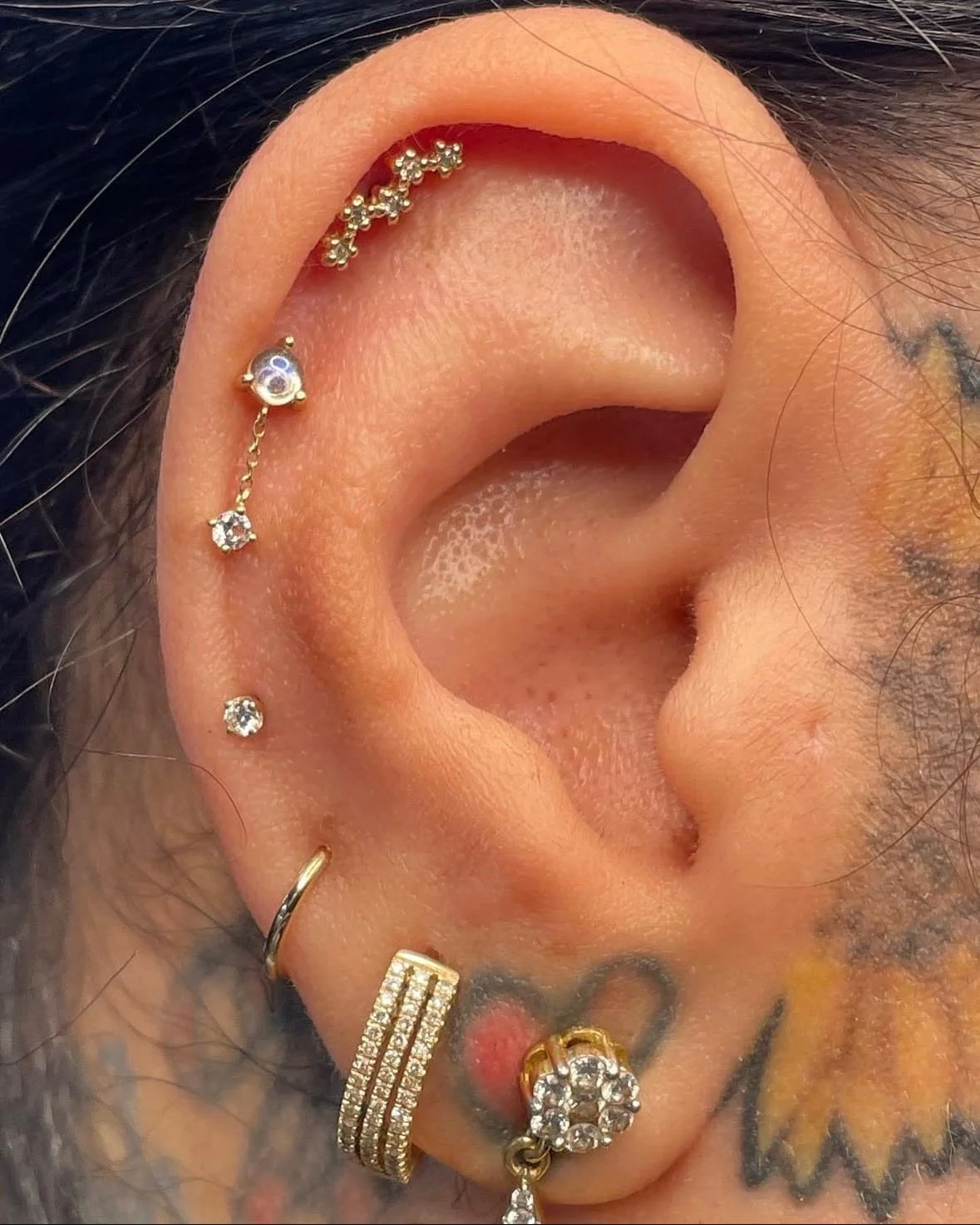
Cartilage piercings remain one of the most popular body modifications in Atlanta, especially for clients who want a stylish and versatile ear piercing beyond the standard lobe. From helix and tragus piercings to conch and rook placements, cartilage piercings offer a bold aesthetic, but they also require patience during healing.
If you are researching cartilage piercing healing Atlanta GA, understanding the healing timeline can help you avoid common mistakes, reduce irritation, and enjoy better long-term results. Unlike soft earlobe tissue, cartilage heals more slowly due to limited blood flow and can experience longer swelling phases.
Why Cartilage Piercings Take Longer to Heal
Cartilage is firmer connective tissue with significantly less blood circulation than the fleshy earlobe. Blood flow is important because it delivers oxygen, nutrients, and immune cells that support healing.
Because cartilage has fewer blood vessels, healing often takes longer and can be more sensitive to trauma.
This means clients seeking professional ear piercing in Atlanta should expect a slower healing process than standard lobe piercings.
According to the Association of Professional Piercers, healing times vary based on placement, aftercare, jewelry quality, and individual health factors.
Average Healing Timeline for Cartilage Piercings
While every person heals differently, most cartilage piercings follow this general timeline:
Initial healing: 6 to 12 weeks
Structural healing: 3 to 6 months
Full healing: 6 to 12 months
Some clients heal faster, while others may need more time depending on sleep habits, irritation, and overall wellness.
Studios offering cartilage piercing healing Atlanta GA consultations often remind clients that “feeling fine” does not always mean fully healed.
Week 1 to 2: Immediate Swelling Phase
The first two weeks are usually the most reactive period.
Common symptoms include:
Mild to moderate swelling
Tenderness
Warmth around the area
Slight redness
Clear or pale fluid discharge
This is the body’s natural inflammatory response.
What to Expect
If you receive a helix or conch piercing at a trusted piercing studio in Atlanta, swelling may increase during the first few days before gradually improving.
Best Practices
Clean with sterile saline solution
Avoid touching the piercing
Sleep on the opposite side
Do not rotate the jewelry
Week 3 to 6: Early Stabilisation Phase
During this phase, swelling usually decreases, and tenderness becomes less noticeable. However, the piercing channel is still delicate internally.
Clients often make the mistake of thinking the piercing is healed because pain has reduced.
That is not the case.
Risks During This Stage
Snagging on hair or clothing
Sleeping pressure
Premature jewelry changes
Dirty hands touching the area
Professionals offering safe cartilage piercing in Atlanta often see irritation bumps form during this stage because clients become less cautious too soon.
Month 2 to 4: Internal Healing Continues
By this point, the outside may look calm, but deeper tissue repair is still happening.
Cartilage piercings need time to strengthen the fistula, the internal channel created by the piercing.
Common Experiences
Occasional soreness if bumped
Minor swelling after sleeping on it
Temporary crusting after irritation
This is normal unless symptoms worsen significantly.
According to the American Academy of Dermatology, irritation and inflammation can delay wound healing when skin or tissue experiences repeated trauma.
Month 4 to 6: Improved Stability
Many cartilage piercings feel much better at this stage. The area is often less reactive, and everyday movement causes fewer issues.
However, some placements such as industrial, rook, and snug piercings may still need extra time.
Clients searching for ear cartilage jewelry Atlanta should still avoid changing jewelry without professional advice.
Why Jewelry Changes Can Be Risky
Even when the piercing feels healed, removing jewelry too early can:
Tear the internal channel
Cause swelling
Reintroduce bacteria
Restart healing irritation
Month 6 to 12: Full Healing Window
Most cartilage piercings complete healing somewhere in this range, though some may take longer.
Once fully healed, you can usually:
Change jewelry more comfortably
Experience less sensitivity
Sleep normally on that side
Enjoy long-term stability
Studios specialising in cartilage piercing healing Atlanta GA can assess readiness before jewelry changes.
Blood Flow Limitations Explained
One major reason cartilage heals slowly is reduced circulation.
Soft lobe tissue contains richer blood supply, which helps wounds close faster. Cartilage relies more on surrounding tissue for nutrients.
This is why:
Cartilage swelling can linger longer
Irritation can take longer to settle
Recovery requires more patience
If you compare lobe vs cartilage healing, cartilage almost always requires more consistent aftercare.
Swelling Phases and What Is Normal
Swelling does not always happen in one straight line. Many clients notice waves of swelling.
Typical Pattern
Initial swelling first week
Improvement after week two
Random swelling after bumps or sleeping pressure
Gradual reduction over months
When to Seek Help
Visit a professional piercer or healthcare provider if you experience:
Severe throbbing pain
Hot spreading redness
Yellow or green discharge
Fever
Jewelry embedding into tissue
For infection prevention guidance, the Centers for Disease Control and Prevention offers general wound hygiene recommendations.
Best Aftercare Tips for Atlanta Clients
Whether you live in Midtown, Buckhead, Decatur, or elsewhere in metro Atlanta, these habits help support healing:
Clean Twice Daily
Use sterile saline spray only. Avoid alcohol, peroxide, or harsh homemade mixtures.
Protect While Sleeping
Use a travel pillow or donut pillow so the ear rests in the centre hole.
Keep Hair and Products Away
Hairspray, shampoo residue, and hair snagging are common irritation sources.
Choose Quality Jewelry
Implant-grade titanium is commonly recommended for sensitive healing piercings.
Clients seeking the best piercing studio Atlanta should ask what starter jewelry materials are used.
How Atlanta Climate Can Affect Healing
Atlanta’s warmer months can increase sweat and humidity, which may irritate fresh piercings.
During summer:
Keep the area dry after workouts
Clean after sweating heavily
Avoid public pools while healing
This is especially helpful for active clients healing a helix piercing Atlanta GA style placement.
Choosing the Right Studio Matters
A professional studio helps healing start correctly through:
Proper placement angle
Sterile technique
High-quality jewelry
Clear aftercare guidance
If you are researching professional ear piercing in Atlanta, always prioritise experience and hygiene over price alone.
Final Thoughts
Cartilage piercings are stylish, versatile, and worth the wait, but they heal on a slower timeline than lobe piercings. Limited blood flow, extended swelling phases, and sensitivity to pressure mean patience is essential.
For anyone considering cartilage piercing healing Atlanta GA, realistic expectations and proper aftercare make all the difference. With quality jewelry, a reputable Atlanta piercer, and consistent care, your piercing can heal beautifully and remain a long-term favourite.
FAQs
1. How long does a cartilage piercing take to heal?
Most cartilage piercings take 6 to 12 months to fully heal.
2. Why does cartilage heal slower than earlobes?
Cartilage has reduced blood flow, which slows tissue repair.
3. Is swelling normal after a cartilage piercing?
Yes, swelling is common in the first few weeks and can return temporarily after irritation.
4. When can I change cartilage piercing jewelry?
Usually after full healing, often around 6 months or more depending on placement.
5. What jewelry is best for healing cartilage piercings?
Implant-grade titanium is commonly recommended for comfort and lower irritation risk.