
The Long-Term Aging Process of Tattoos in Atlanta’s Sun Exposure
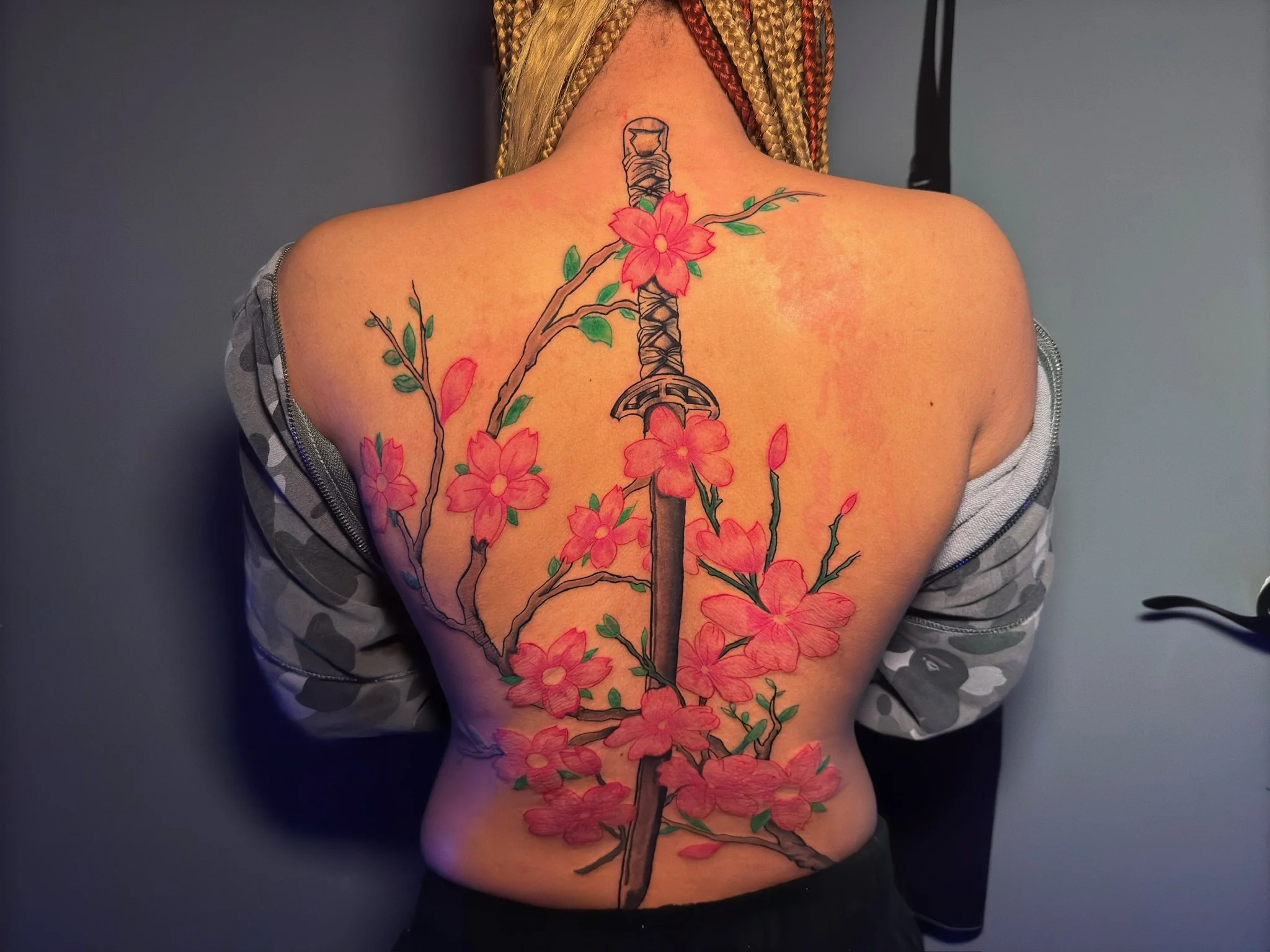
Tattoos are designed to last, but no tattoo stays exactly the same forever. Over time, natural skin renewal, lifestyle habits, and environmental exposure all influence how body art ages. In Atlanta, one of the biggest long-term factors is sun exposure. Strong seasonal sunlight, humid summers, and repeated UV exposure can gradually fade colour, soften lines, and change contrast.
If you are researching tattoo fading Atlanta or want to understand sun exposure tattoo aging, this guide explains how Georgia’s climate affects tattoos, what happens to pigments over time, and how science-backed sun protection can preserve your ink for years.
Why Atlanta’s Climate Matters for Tattoos
Atlanta experiences long warm seasons, outdoor lifestyles, and months of significant UV exposure. Even when it does not feel extremely hot, ultraviolet rays still reach the skin and affect tattoos.
Repeated exposure from:
Driving with arms in sunlight
Outdoor sports and festivals
Pool days and summer travel
Daily walking without sunscreen can all accelerate fading.
Clients often assume only beach vacations damage tattoos, but regular day-to-day exposure in Georgia can have a cumulative effect. That is why artists offering professional tattoo services in Atlanta often emphasise aftercare beyond the healing phase.
Understanding UV Radiation and Tattoo Aging
What UV Rays Do to Skin and Ink
Ultraviolet light penetrates the skin and contributes to collagen breakdown, pigmentation changes, and premature ageing. Tattoos sit within the dermis, where pigment particles are held by the body. Repeated UV exposure can gradually alter both the surrounding skin and the pigment itself.
This can lead to:
Reduced brightness in coloured tattoos
Softer black and grey contrast
Blurred fine lines over time
Uneven fading in exposed areas
According to the American Academy of Dermatology, UV radiation is a leading cause of visible skin ageing and damage, making protection important for both skin health and tattoo preservation.
UVA vs UVB
Both types of ultraviolet light matter:
UVA penetrates deeper and contributes to long-term ageing
UVB is more associated with burning and surface damage
A broad-spectrum sunscreen protects against both, which is why it is recommended for tattooed skin.
Georgia UV Index and What It Means
The UV index measures the strength of ultraviolet radiation. Georgia commonly experiences moderate to very high UV levels during spring and summer, especially midday.
In practical terms, this means tattoos on commonly exposed areas such as:
Forearms
Hands
Calves
Shoulders
Neck may age faster if left unprotected.
Clients searching tattoo fading Atlanta often notice their arm tattoos change sooner than torso pieces simply because exposed placements receive more sunlight.
Pigment Breakdown Over Time
Black Ink vs Colour Ink
Not all pigments age equally.
Black and dark grey inks often hold contrast longer, though they can still soften. Bright colours such as yellow, pink, red, and light blue may show fading earlier depending on pigment composition, placement, and sun habits.
Artists providing custom tattoo work in Atlanta often discuss colour choice with clients who spend lots of time outdoors.
Fine Line Tattoos and Visibility Changes
Fine line tattoos can be especially sensitive to ageing because subtle lines depend on crisp contrast. As pigment settles and sunlight affects skin tone, detail may appear softer.
This does not mean fine line work is a bad choice. It means placement, artist skill, and sun protection matter more.
How Skin Aging Impacts Tattoos
Tattoos age with the skin they are in. Over time, natural changes such as reduced elasticity, collagen loss, and texture shifts can affect appearance.
This is normal and happens with or without sun exposure. However, chronic UV exposure often speeds visible ageing.
For clients researching sun exposure tattoo aging, the goal is not perfection forever. It is preserving clarity, contrast, and skin health as long as possible.
SPF Science: Why Sunscreen Works
What SPF Actually Means
SPF measures protection against UVB rays. A higher SPF generally means more protection when applied properly. Broad-spectrum formulas also cover UVA rays, which are important in long-term tattoo ageing.
Many dermatology professionals recommend daily sunscreen use on exposed skin. The Centers for Disease Control and Prevention also supports sun safety habits such as shade, clothing, and sunscreen.
Best Practices for Tattooed Skin
For healed tattoos:
Use broad-spectrum SPF 30 or higher
Reapply during outdoor activity
Apply enough product, not a tiny amount
Use water-resistant formulas when sweating or swimming
For fresh tattoos, wait until fully healed before applying sunscreen directly unless instructed otherwise by your artist.
Placement Matters in Atlanta Sun Exposure
Some body areas naturally receive more UV than others.
Higher Exposure Areas
Hands
Forearms
Lower legs
Neck
Upper chest
Lower Exposure Areas
Back
Ribcage
Thighs
Upper torso usually covered by clothing
If you want a tattoo with minimal fading risk, placement is worth discussing with a professional tattoo artist in Atlanta.
How to Reduce Long-Term Fading
1. Prioritise Sunscreen Daily
Even quick errands add up over years. Consistency matters more than occasional heavy use.
2. Cover Tattoos During Peak Sun
Light clothing, sleeves, hats, or shade can reduce direct exposure.
3. Moisturise Regularly
Healthy skin helps tattoos look better. Dry, damaged skin can make tattoos appear duller.
4. Choose Skilled Application
A quality tattoo starts with proper depth, saturation, and design. Studios offering tattoo technique in Atlanta often produce tattoos that age more gracefully because the fundamentals were done well.
5. Consider Touch-Ups When Needed
Many tattoos benefit from touch-ups years later, especially heavily exposed placements.
What Atlanta Clients Should Ask Before Getting Tattooed
Before booking, ask:
How will this placement age in sun exposure?
Is this colour palette ideal for my lifestyle?
How should I protect it after healing?
Does this design rely on ultra-fine detail?
Artists experienced in tattoo fading Atlanta concerns can help match design choices to real-life habits.
Common Myths About Tattoo Fading
“Only Cheap Tattoos Fade”
All tattoos age. Quality work often ages better, but no tattoo is immune to time and UV exposure.
“Cloudy Days Are Safe”
UV rays still penetrate clouds. Protection still matters.
“Once Healed, Tattoos Need No Maintenance”
Long-term care is what separates a tattoo that looks good in ten years from one that fades quickly.
For additional skin education, resources like Healthline tattoo sun care guide explain how sun exposure affects skin and healing.
Final Thoughts
The long-term ageing process of tattoos in Atlanta is shaped by more than time. Georgia’s UV exposure, outdoor lifestyle, pigment type, and skincare habits all influence how tattoos look over the years.
If you want to reduce tattoo fading Atlanta concerns and better manage sun exposure tattoo aging, focus on three essentials: quality tattoo application, consistent SPF protection, and healthy skin habits.
A tattoo is a long-term investment. Protecting it from the sun is one of the smartest ways to keep it looking strong for years to come.
FAQs
1. Do tattoos fade faster in Atlanta?
They can fade faster if frequently exposed to Georgia sunlight without protection.
2. What SPF is best for tattoos?
Broad-spectrum SPF 30 or higher is a strong baseline for healed tattoos.
3. Do black tattoos fade less than colour tattoos?
Black often retains contrast longer, though all pigments can fade over time.
4. Can sunscreen damage a fresh tattoo?
Fresh tattoos should not receive sunscreen until healed unless advised by your artist.
5. Which placements fade the fastest?
Hands, forearms, neck, and lower legs often fade faster because they receive more sun exposure.