
What Fulton County Health Inspectors Look for in Tattoo and Piercing Shops: A Behind-the-Scenes Guide
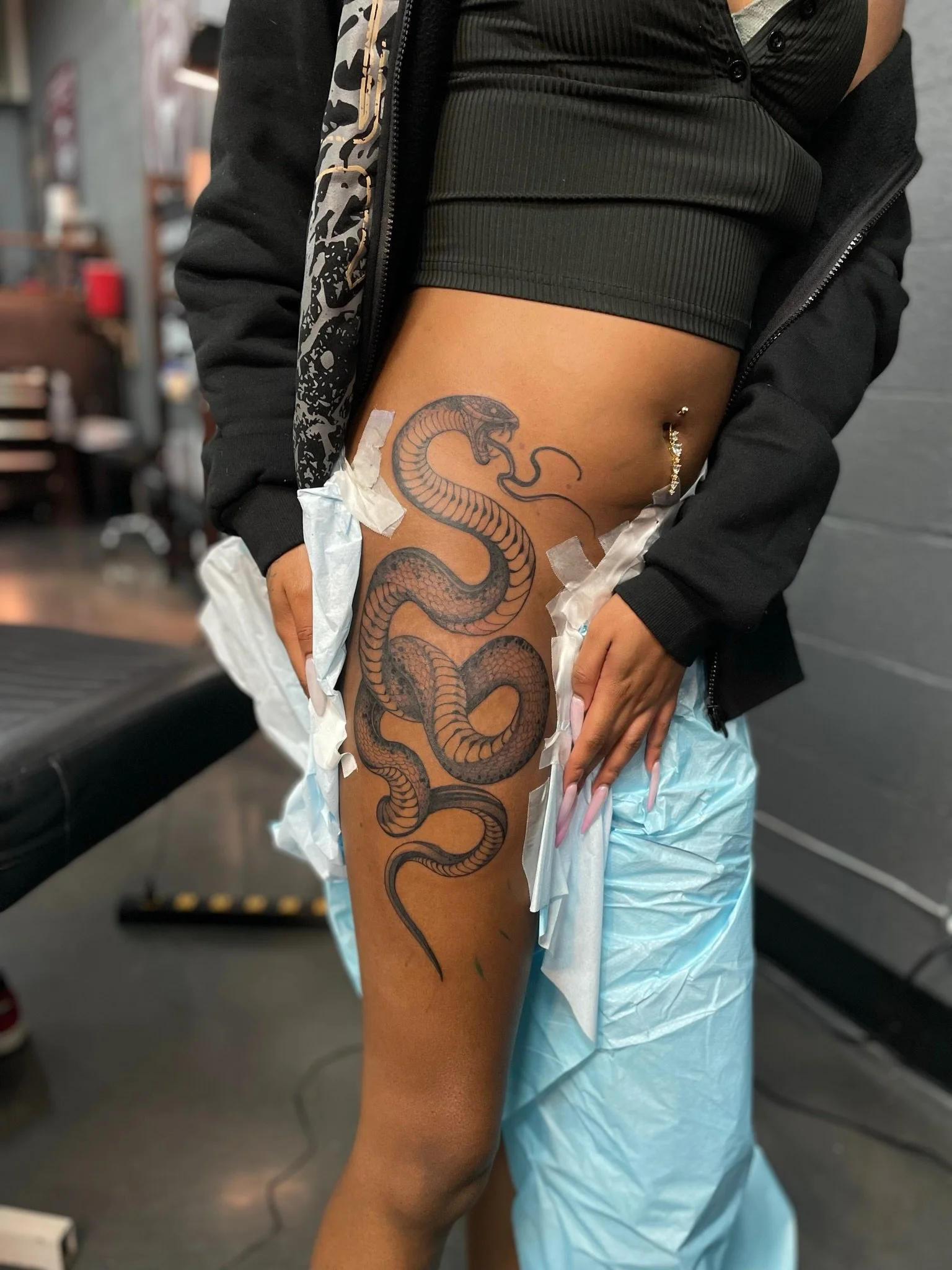
Walking into a professional tattoo or piercing studio, most clients notice the artwork on the walls, the buzzing tattoo machines, or the display of jewellery. What many people do not see is the amount of work that happens behind the scenes to keep the studio safe, sanitary, and compliant with local health regulations.
Professional tattoo or piercing studios in Atlanta are expected to meet strict public health standards, and those standards are regularly evaluated through inspections conducted by local authorities. In much of the Atlanta area, tattoo and body piercing establishments operate under the oversight of the Fulton County Board of Health, along with applicable state regulations.
If you have ever wondered what health inspectors actually look for during a visit, this guide explains the key areas they evaluate and why those standards matter for both artists and clients.
What Do Fulton County Health Inspectors Check?
During inspections, health officials generally review:
✔ Sterilisation equipment and procedures
✔ Single-use needles and disposable supplies
✔ Handwashing stations
✔ Cleaning and disinfecting practices
✔ Cross-contamination prevention
✔ Client consent and record keeping
✔ Staff licensing and required permits
✔ Proper waste disposal
✔ Overall cleanliness of workstations
Choosing a studio that consistently follows these practices helps reduce the risk of infection and supports a safer tattoo or piercing experience.
Why Tattoo Shop Inspections Matter
Tattooing and body piercing involve breaking the skin, which means there is always a responsibility to minimise the risk of infection and cross-contamination.
Health inspections are designed to protect both:
Clients receiving tattoos or piercings
Artists and studio employees
Rather than being viewed as an inconvenience, inspections help establish consistent professional standards across the industry.
For clients, they also provide confidence that the studio takes hygiene seriously.
Understanding Fulton County's Role
The Fulton County Board of Health helps oversee body art establishments operating within its jurisdiction by enforcing public health requirements established under Georgia law.
While specific inspection schedules and procedures may vary, inspectors typically evaluate whether studios are following approved sanitation and infection-control practices.
Their goal is not simply to identify problems but to encourage safe, consistent operations throughout the community.
First Impressions Matter: Overall Studio Cleanliness
One of the first things inspectors evaluate is the overall condition of the facility.
A professional tattoo or piercing studio should be clean, organised, and well maintained.
Inspectors often look for:
Clean floors and work surfaces
Dust-free equipment
Proper lighting
Good ventilation
Organised workstations
Separate clean and contaminated areas
A tidy studio is more than just visually appealing. It reflects the daily habits that contribute to infection prevention.
Clients can often recognise these same qualities during their first visit.
Sterilisation Procedures
Perhaps the most critical area of any inspection involves sterilisation.
Reusable instruments must be thoroughly cleaned and sterilised before being used again.
Professional studios typically use an autoclave, a medical-grade sterilisation device that uses pressurised steam to destroy bacteria, viruses, fungi, and bacterial spores.
Inspectors may review:
Autoclave maintenance records
Biological spore test documentation
Equipment operating procedures
Sterilisation logs
The Centers for Disease Control and Prevention recognises steam sterilisation as one of the most effective methods for processing reusable medical instruments.
Disposable Equipment and Single-Use Items
Many items used during tattooing and piercing should never be reused.
Inspectors commonly verify that studios use:
Single-use needles
Disposable ink caps
Disposable razors
Barrier films
Medical-grade gloves
Needles should always be opened in front of the client before the procedure begins.
This simple step provides reassurance that sterile equipment is being used.
Handwashing Stations
Hand hygiene remains one of the simplest and most effective methods for preventing infection.
Health inspectors check whether studios have properly equipped handwashing sinks that are easily accessible to artists.
A compliant station typically includes:
Running hot and cold water
Liquid soap
Disposable paper towels
Hands-free waste containers when appropriate
Artists should wash their hands before putting on gloves and whenever gloves are changed during the procedure.
Preventing Cross-Contamination
Cross-contamination occurs when harmful microorganisms spread from one surface or person to another.
Professional studios minimise this risk by covering frequently touched items with disposable barriers.
Examples include:
Tattoo machine cords
Spray bottles
Machine grips
Armrests
Light handles
Barrier protection helps ensure that contaminated gloves do not transfer bacteria to clean equipment.
Surface Cleaning and Disinfection
After every appointment, workstations should be thoroughly disinfected.
Inspectors often review:
Cleaning products used
Contact times for disinfectants
Cleaning schedules
Procedures between clients
The work area should be restored to a clean condition before another client is seated.
Sharps and Medical Waste Disposal
Tattoo needles and piercing needles are considered sharps.
Improper disposal presents serious health risks.
Inspectors verify that used sharps are placed immediately into approved puncture-resistant containers.
Other contaminated materials should also be discarded according to local regulations.
Safe waste management protects:
Artists
Clients
Cleaning staff
Waste disposal personnel
Client Records and Consent Forms
Professional tattoo studios maintain accurate documentation.
Depending on local requirements, inspectors may review records such as:
Consent forms
Age verification
Procedure logs
Aftercare information provided to clients
Clear documentation demonstrates professionalism and helps protect both clients and businesses.
Artist Licensing and Required Documentation
Health inspectors also verify that required licences, permits, and certifications are current and properly displayed where applicable.
Professional studios often ensure that artists maintain ongoing education related to:
Infection control
Bloodborne pathogen training
Safety procedures
Clients should feel comfortable asking about these qualifications if they have questions.
Piercing-Specific Safety Standards
For studios offering body piercing services, inspectors may also review:
Sterile jewellery handling
Jewellery storage
Needle disposal procedures
Skin preparation methods
What Clients Can Look for During Their Visit
Even without performing a formal inspection, clients can observe many signs of a professional studio.
Look for:
✓ Artists washing their hands
✓ New gloves for every client
✓ Sealed sterile needle packages
✓ Clean, uncluttered workstations
✓ Clearly labelled disinfectants
✓ Proper disposal containers
If something makes you uncomfortable, ask questions before your procedure begins.
Professional tattoo artists appreciate informed clients.
Why Good Studios Welcome Inspections
Reputable tattoo and piercing studios understand that inspections help strengthen public confidence in the industry.
Rather than viewing inspections as obstacles, many studios treat them as opportunities to demonstrate their commitment to safety and professionalism.
Studios that maintain high standards every day are typically well prepared whenever inspections occur.
Safety Is More Than Passing an Inspection
Although inspections are important, true professionalism goes beyond regulatory compliance.
Excellent studios build safety into every part of their daily routine through:
Ongoing staff training
Equipment maintenance
Careful client communication
Consistent cleaning practices
Detailed aftercare education
These habits help create a safer and more comfortable experience for everyone who walks through the door.
FAQs
How often are tattoo shops inspected in Fulton County?
Inspection schedules can vary based on local regulations and operational requirements. Studios must remain compliant with applicable health standards at all times.
Can I ask to see sterile needles before my tattoo?
Yes. Professional artists routinely open sterile needle packages in front of clients and are happy to explain their process.
What is an autoclave?
An autoclave is a medical-grade sterilisation device that uses pressurised steam to eliminate microorganisms from reusable equipment.
Should I leave if a tattoo shop looks dirty?
Cleanliness is one of the most visible indicators of professionalism. If a studio appears unsanitary or you feel uncomfortable, consider visiting another licensed establishment.
Are tattoo and piercing shops required to follow health regulations?
Yes. Tattoo and piercing businesses operating in Georgia must comply with applicable state and local public health requirements.
Final Thoughts
Every professional tattoo or piercing begins long before the needle touches the skin. It starts with a studio that values cleanliness, proper sterilisation, and consistent safety practices.
In Atlanta, inspections conducted under the oversight of the Fulton County Board of Health help reinforce these standards and promote safer body art practices throughout the community.
As a client, understanding what inspectors look for empowers you to make informed decisions and choose a studio that prioritises both exceptional artwork and your health.