
How Long Should You Wait Between Tattoo Sessions? Atlanta Artists Explain the Ideal Healing Timeline
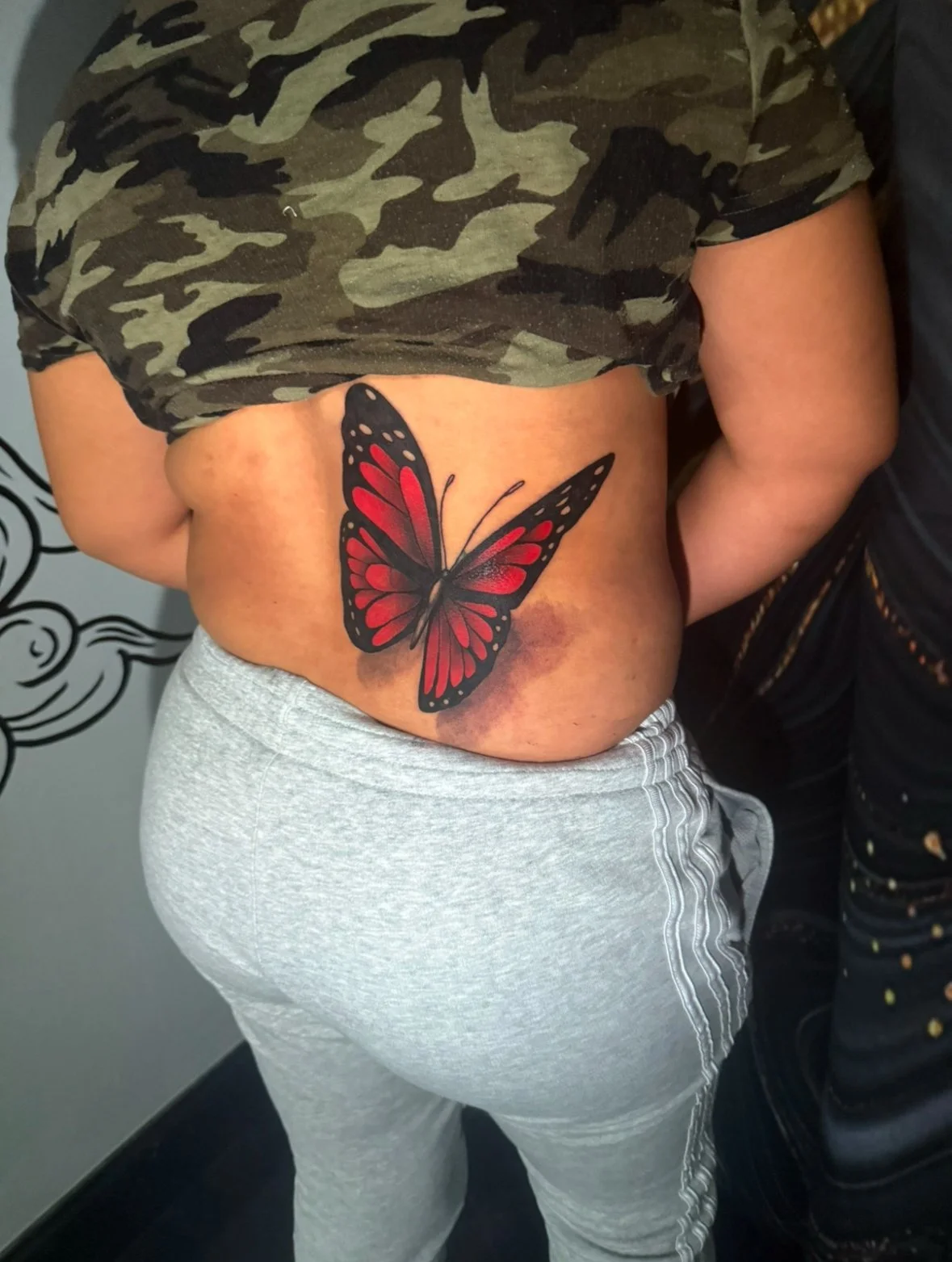
Getting one tattoo often leads to planning the next one before the first has even finished healing. Whether you're building a sleeve, completing a back piece, or simply adding another design to your collection, one question comes up repeatedly:
"How long should I wait between tattoo sessions?"
The answer isn't always straightforward. While your tattoo may appear healed on the surface after a few weeks, the deeper layers of skin continue recovering long after the peeling has stopped.
If you're searching for tattoo healing time between sessions, understanding how your body repairs itself will help you schedule your next appointment safely while protecting the quality of every tattoo you receive.
Professional tattoo artists throughout Atlanta generally agree that patience produces better long-term results than rushing from one appointment to the next.
How Long Should You Wait?
For most people:
✔ Small tattoos: Wait at least 2 to 4 weeks
✔ Medium tattoos: Wait 4 to 6 weeks
✔ Large or heavily shaded tattoos: Wait 6 to 8 weeks or longer
✔ Continuing work on the same area: Follow your artist's recommendation, which may be 6 to 12 weeks
Your next tattoo should only be scheduled once your skin has healed completely and your body has recovered.
Why Waiting Between Sessions Matters
A tattoo is much more than artwork.
It is also a controlled skin injury.
Every tattoo creates thousands of microscopic punctures that trigger your body's natural healing response.
During recovery, your body works to:
Repair damaged tissue
Reduce inflammation
Produce new skin cells
Stabilise tattoo pigment
Restore your skin barrier
If you schedule another tattoo too soon, your body may still be using valuable resources to heal the previous one.
Giving yourself enough recovery time helps support both your overall wellbeing and the appearance of your tattoos.
Surface Healing vs Complete Healing
One of the biggest misconceptions is believing a tattoo is fully healed once it stops peeling.
In reality, tattoo healing occurs in stages.
Stage 1: Initial Healing (Days 1 to 7)
During the first week, you may experience:
Redness
Swelling
Tenderness
Plasma leakage
Mild discomfort
This is your body's immediate inflammatory response.
Stage 2: Peeling and Itching (Weeks 2 to 3)
The outer layer of skin begins renewing itself.
You may notice:
Flaking
Dry skin
Itching
Light scabbing
Stage 3: Internal Skin Recovery (Weeks 4 to 8)
Even though the tattoo often looks healed, deeper skin layers continue rebuilding.
Collagen production, pigment stabilisation, and tissue repair are still taking place beneath the surface.
According to the American Academy of Dermatology, wound healing continues beyond what is visible to the eye, particularly for injuries involving deeper skin layers.
How Tattoo Size Changes Recovery Time
Not every tattoo heals at the same pace.
Small Tattoos
A simple wrist or ankle tattoo generally heals faster because:
Less skin is affected
Shorter tattoo sessions
Reduced inflammation
Many artists recommend waiting around 2 to 4 weeks before scheduling another tattoo elsewhere on the body.
Medium Tattoos
Medium-sized designs often require additional healing time because they involve:
More ink
Greater skin trauma
Longer appointments
Waiting 4 to 6 weeks is common.
Large Tattoos
Sleeves, back pieces, chest panels, and leg tattoos require considerably more recovery.
Your immune system works harder after lengthy tattoo sessions.
Many Atlanta artists recommend waiting at least 6 to 8 weeks, and sometimes longer, before another major appointment.
What If You're Building a Full Sleeve?
Large projects are different.
Sleeves are usually completed over multiple sessions.
Rather than tattooing the same area repeatedly, artists often divide the project into manageable sections.
For example:
Upper arm first
Inner arm second
Forearm later
Background shading afterwards
Spacing appointments allows previously tattooed skin to recover before additional work begins.
Can You Tattoo Another Area While One Tattoo Is Healing?
Often, yes.
If your previous tattoo is healing normally and your overall health is good, many artists are comfortable tattooing a different part of the body.
For example:
Healing a calf tattoo while tattooing your shoulder
Healing your forearm while tattooing your thigh
However, multiple healing tattoos place greater demands on your immune system.
Discuss your plans with your artist before booking.
Factors That Affect Healing Time
Every person's recovery is different.
Several factors influence how quickly your skin heals.
Your Overall Health
Healthy individuals often recover more efficiently than those dealing with illness, chronic stress, or poor nutrition.
Sleep
Most tissue repair occurs while you sleep.
Consistently getting enough rest supports faster healing.
Nutrition
Protein, vitamins, and hydration all contribute to healthy skin regeneration.
The National Institutes of Health has published research showing that nutrition plays an important role in wound healing.
Smoking
Smoking may reduce circulation, potentially slowing recovery.
Sun Exposure
Fresh tattoos should be protected from excessive ultraviolet exposure.
Sun damage can interfere with healing and affect pigment retention.
Signs You're Ready for Another Tattoo
Before scheduling another session, ask yourself:
✔ Has all peeling stopped?
✔ Does the tattoo feel smooth?
✔ Is there no lingering tenderness?
✔ Has the itching completely resolved?
✔ Does the skin look healthy?
If you answer yes to all of these, your tattoo is likely progressing well.
When in doubt, consult your tattoo artist.
Signs You Should Wait Longer
Delay your next appointment if you still notice:
Thick scabs
Persistent redness
Swelling
Pain
Open skin
Signs of infection
Rushing into another tattoo before your skin has recovered can affect both comfort and healing.
Why Atlanta Artists Rarely Rush the Process
Professional artists understand that excellent tattoos require healthy skin.
Tattooing over irritated or incompletely healed skin creates unnecessary challenges.
Artists throughout Atlanta often encourage clients to think long-term.
Waiting a few extra weeks is far better than compromising a tattoo that should last a lifetime.
Our article on Tattoo Etiquette in Atlanta Studios: What Locals Actually Do explains why trusting your artist's recommendations is an important part of the tattoo experience.
Planning Multiple Tattoos the Smart Way
If you already know you'll be getting several tattoos this year, consider creating a schedule with your artist.
This allows you to:
Space healing periods appropriately
Budget for future sessions
Coordinate larger projects
Reduce unnecessary stress on your body
Many experienced collectors plan tattoos months in advance.
Frequently Asked Questions
Can I get another tattoo two weeks after my first one?
For small tattoos, it may be possible if healing is progressing well. Larger tattoos generally require more recovery time.
Is it okay to tattoo a different body part while another tattoo heals?
Often yes, provided your previous tattoo is healing normally and your artist agrees.
How do I know if my tattoo is fully healed?
A healed tattoo should no longer peel, itch, feel tender, or appear inflamed.
Can getting tattoos too close together slow healing?
Yes. Multiple healing tattoos may place additional demands on your immune system and extend recovery.
Should I follow my artist's timeline or general online advice?
Always follow the advice of your tattoo artist, as they understand your specific tattoo, skin, and healing progress.
Final Thoughts
There is no universal timetable for scheduling your next tattoo. Healing depends on your body, the size of the tattoo, your overall health, and how well you follow aftercare instructions.
For most clients, waiting several weeks between appointments leads to healthier skin, more comfortable sessions, and better long-term results.
If you're working with an experienced tattoo artist in Atlanta, trust their guidance. They want your tattoos to heal beautifully just as much as you do.
A little patience today can help ensure every piece of artwork looks its best for decades to come.