
How to Choose a Tattoo Design That Still Matters Years Later
One of the most common concerns people have before getting inked isn’t pain, it’s permanence.
“Will I still love this in five years?”
“Will this still feel like me?”
“Am I choosing this for the right reasons?”
When it comes to choosing a tattoo design, the real question isn’t whether it looks good today. It’s whether it will still feel meaningful years from now.
Trends change. Aesthetics evolve. Personal style shifts. But identity, when understood deeply, tends to grow rather than disappear.
This tattoo decision guide explores how psychology, memory, and personal identity shape meaningful tattoos that stand the test of time.
Why Some Tattoos Age Well And Others Don’t
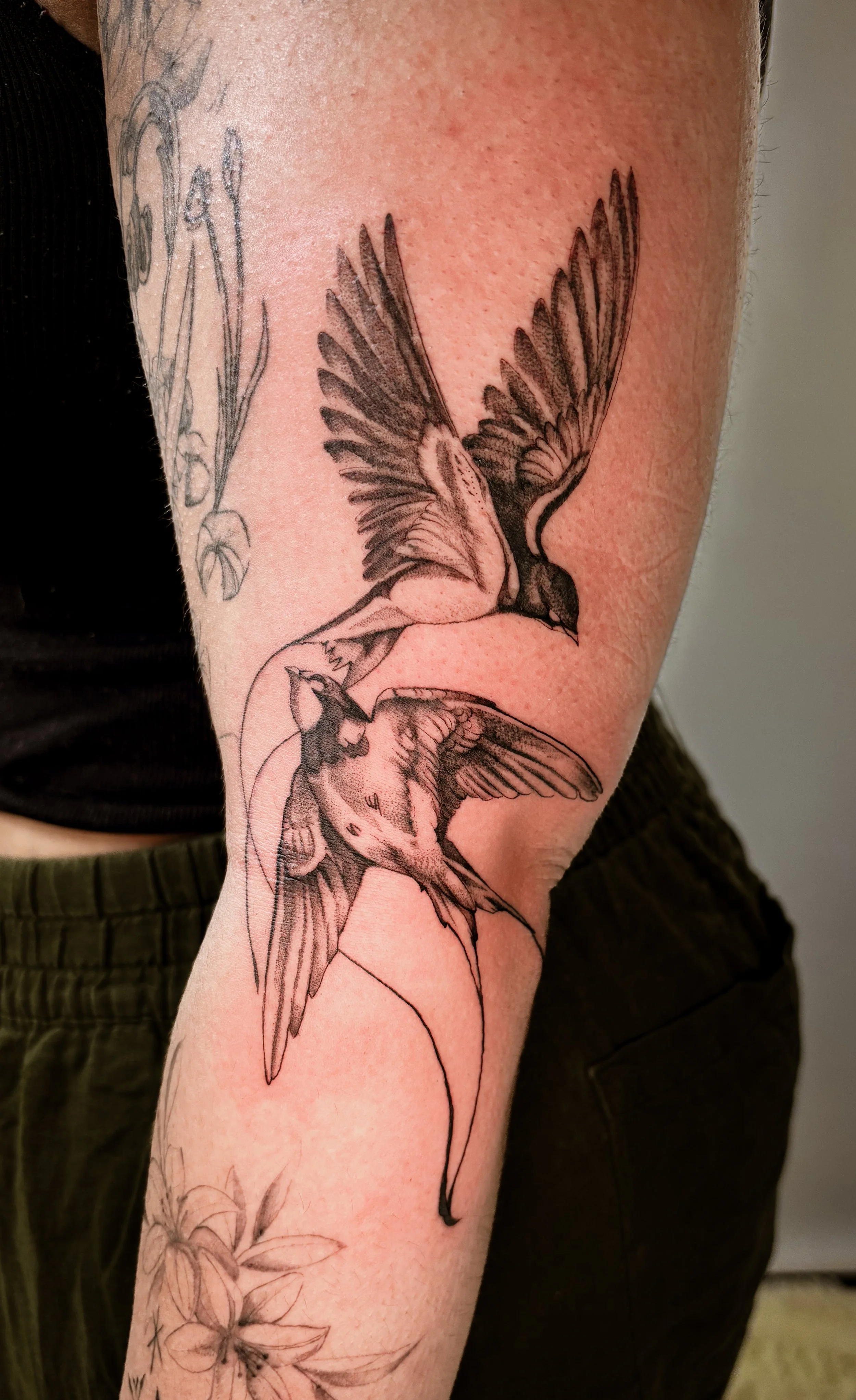
Tattoos that lose meaning usually fall into one of three categories:
Trend-based decisions
Impulse reactions
External influence choices
On the other hand, tattoos that remain powerful over time tend to be:
Identity-driven
Value-based
Symbolic rather than literal
The difference is internal anchoring.
If a tattoo represents a temporary emotion, it may fade in relevance. If it represents a core belief, defining memory, or enduring value, it tends to grow with you.
Psychologists often describe identity as a narrative, the story you tell about who you are. Tattoos that connect to your life story often feel more stable because they reinforce your personal narrative rather than a passing phase.
Step 1: Start With Identity, Not Imagery
When choosing a tattoo design, many people begin by scrolling through images.
A more lasting approach begins with questions instead:
What life experiences shaped me most?
What values do I want to carry forward?
What personal qualities am I proud of?
What challenge changed my perspective?
Instead of asking, “What design should I get?” try asking, “What part of myself do I want to remember permanently?”
Meaningful tattoos often symbolize:
Resilience
Growth
Heritage
Freedom
Faith
Transformation
Love or loss
The design becomes secondary. The meaning comes first.
Step 2: Understand the Psychology of Regret
Research on decision-making shows that regret often comes from rushed or socially influenced choices.
In tattoo psychology, regret is more likely when:
The tattoo was chosen during emotional intensity
It reflects someone else’s taste more than your own
It represents a short-term relationship or phase
It was selected without reflection
This does not mean emotional tattoos are wrong. It means clarity matters.
Waiting a few months before committing can reduce impulsive decisions. If a concept still feels powerful after time has passed, it is more likely to remain meaningful.
Time acts as a filter.
Step 3: Choose Symbols Over Literal Trends
Design trends come and go. Minimalist line art, micro tattoos, bold neo-traditional, fine script — styles shift every few years.
But symbolism lasts.
Instead of tattooing a direct image of an event, consider a symbol that represents it.
For example:
A compass instead of the word “direction”
A phoenix instead of the phrase “new beginning”
Coordinates instead of a full landmark drawing
A botanical element tied to heritage
Symbolic tattoos allow interpretation to evolve. They feel layered rather than fixed.
When choosing a tattoo design, subtlety often increases longevity.
Step 4: Think About Future Versions of Yourself
One powerful mental exercise in this tattoo decision guide is future visualization.
Imagine yourself at:
30 years old
45 years old
65 years old
Will this tattoo still align with who you hope to become?
This does not mean you must predict the future perfectly. It means considering whether the design reflects something foundational rather than temporary.
Tattoos tied to core traits, courage, creativity, independence, spirituality, tend to age well because those traits remain relevant across life stages.
Step 5: Placement Affects Meaning
Placement is psychological as much as aesthetic.
Visible tattoos may feel empowering and expressive.
Private placements may feel intimate and reflective.
Ask yourself:
Do I want this tattoo to be a daily reminder?
Is it personal, or do I want it to spark conversation?
Does its visibility align with my lifestyle and career?
A design may remain meaningful, but placement influences how you experience that meaning long-term.
Step 6: Avoid Designing for Reactions
If part of your motivation is:
Impressing someone
Provoking attention
Matching a partner or friend
Following a viral trend
Pause.
Tattoos chosen for reaction often age poorly because reactions change.
Designs chosen for personal resonance age better because they serve you — not the audience.
Meaningful tattoos are internally motivated.
Step 7: Collaborate With an Experienced Artist
Even if you have a clear concept, professional artists refine ideas in ways that increase longevity.
Experienced tattooers understand:
How designs age on skin
Which details hold up over time
Proper sizing for clarity
Flow with body anatomy
A good artist will ask questions about your meaning before drawing. That collaborative process strengthens your connection to the final piece.
Choosing a tattoo design should feel thoughtful, not rushed.
The Difference Between Meaningful and Trendy
Trendy tattoos often focus on aesthetic appeal.
Meaningful tattoos connect to identity.
The key distinction is depth.
A trendy tattoo may look beautiful today.
A meaningful tattoo tells a story — even when styles shift.
Over time, tattoos become part of your visual autobiography. They remind you who you were, what you overcame, and what you value.
That emotional layer is what sustains satisfaction.
Questions to Ask Before You Commit
Use this mini tattoo decision guide checklist before booking:
Have I wanted this concept for at least a few months?
Does it represent something lasting in my identity?
Am I choosing this for myself?
Can I explain its meaning in one sentence?
Would I still value this if no one else saw it?
If most answers are yes, you are likely choosing from clarity rather than impulse.
The Emotional Longevity Factor
A tattoo does not need a dramatic backstory to matter.
Sometimes meaning is quiet:
A small reminder of self-worth
A symbol of surviving something difficult
A tribute to personal growth
A visual anchor during uncertain times
Emotional longevity often comes from subtle personal significance rather than grand statements.
Tattoos age best when they grow with you, not when they lock you into a single version of yourself.
Final Thoughts
Choosing a tattoo design is less about picking the perfect image and more about understanding yourself clearly.
When you focus on identity, symbolism, and long-term values, tattoos become more than decoration. They become markers of your personal evolution.
Meaningful tattoos are not defined by size, placement, or popularity. They are defined by alignment — alignment between who you are now and who you are becoming.
Take your time. Reflect deeply.
The right design will not just look good.
It will still feel right years later.