
Minimalist Tattoos vs Detailed Tattoos: Pros, Cons, and Long-Term Results
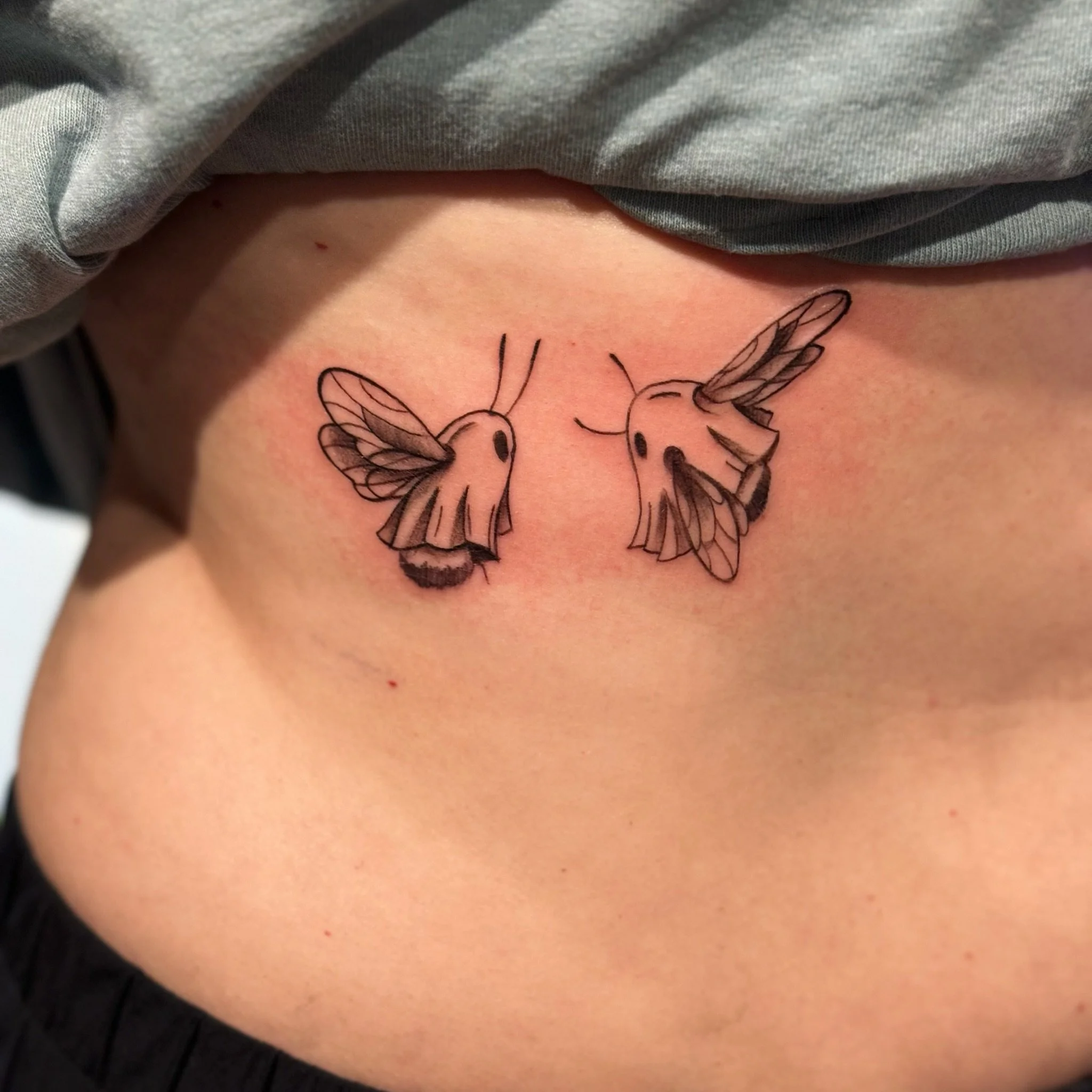
Choosing between minimalist tattoos and detailed tattoos is more than a style decision. It is a long-term commitment that affects how your ink looks five, ten, or even twenty years from now.
Many people focus on aesthetics. Few consider how tattoo ink behaves under the skin over time. Understanding the difference between minimalist tattoos aging and detailed tattoos longevity can help you make a decision that still feels right years later.
This guide explains how both styles age, what affects tattoo detail comparison over time, and which option may better suit your lifestyle and skin type.
What Defines a Minimalist Tattoo
Minimalist tattoos typically feature:
Fine lines
Small designs
Minimal shading
Limited color palettes
Simple symbolic imagery
These tattoos rely heavily on precision linework and negative space. They are popular because they feel subtle, modern, and easy to place almost anywhere on the body.
However, minimalist tattoos aging depends strongly on line thickness and placement.
What Defines a Detailed Tattoo
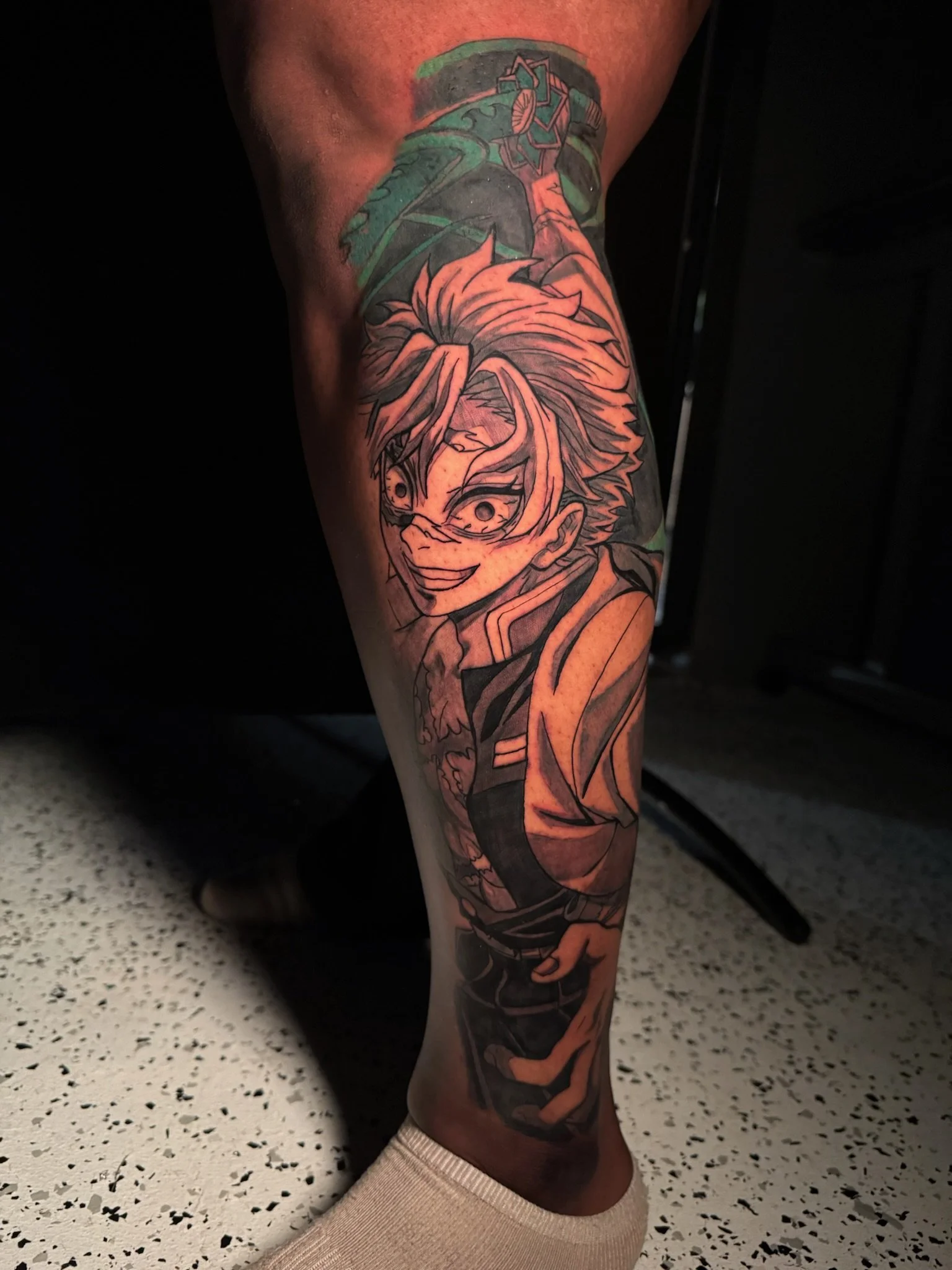
Detailed tattoos include:
Intricate shading
Realism or portrait work
Layered textures
Dense color packing
Larger compositions
These designs depend on depth, contrast, and multiple passes of ink to create dimension.
Detailed tattoos longevity often benefits from stronger saturation and thicker lines, but complexity can introduce other aging considerations.
How Tattoo Ink Ages Under the Skin
To understand tattoo detail comparison, you need to understand biology.
Tattoo ink sits in the dermis layer of the skin. Over time:
Skin naturally regenerates
Sun exposure breaks down pigment
The immune system slowly disperses particles
Lines may spread slightly
According to the American Academy of Dermatology, sun exposure is one of the biggest factors in tattoo fading. You can read more about skin aging effects at the American Academy of Dermatology website.
Because minimalist tattoos rely on thin lines, even slight spreading can affect clarity. Detailed tattoos rely on contrast, so fading can reduce depth.
Minimalist Tattoos Aging: What to Expect
Minimalist tattoos aging patterns typically include:
Slight line spreading
Reduced crispness
Potential fading in very thin designs
Fine line tattoos are beautiful, but extremely thin lines may blur over many years. Placement matters. Areas with frequent movement such as fingers or wrists may show faster wear.
When done with proper needle depth and slightly thicker fine lines, minimalist tattoos can age gracefully. The key is not going too thin.
Detailed Tattoos Longevity: What to Expect
Detailed tattoos longevity often benefits from:
Bold outlines
Layered shading
Strong color saturation
However, intricate micro-details may soften over time. Very small textures or ultra-fine shading gradients may blend slightly as ink settles.
Large detailed tattoos with proper spacing and contrast tend to maintain structure longer than overly compressed designs.
Tattoo Detail Comparison: Healing Differences
Healing also differs between styles.
Minimalist tattoos:
Typically heal faster
Less surface trauma
Lower risk of heavy scabbing
Detailed tattoos:
Longer sessions
More ink saturation
May require stricter aftercare
The Association of Professional Piercers provides helpful wound care principles that also apply to tattoos in terms of skin healing science. Visit safepiercing.org for skin healing standards.
Lifestyle Considerations
When choosing a tattoo design, consider:
Sun exposure
Physical activity
Skin type
Future body changes
Career environment
Minimalist tattoos may be easier to conceal. Detailed tattoos may become statement pieces that define your visual identity.
Long-term satisfaction often depends more on meaning than complexity.
Placement and Aging
Tattoo longevity varies by placement:
Areas that age slower:
Upper back
Outer arm
Thigh
Areas that age faster:
Fingers
Feet
Inner wrist
The National Institutes of Health discusses how skin thickness varies across body areas, which influences tattoo ink stability. You can explore more through the National Library of Medicine at ncbi.nlm.nih.gov.
Pros and Cons Summary
Minimalist Tattoos
Pros:
Subtle and modern
Shorter sessions
Lower initial cost
Cons:
Fine lines may blur over time
Extremely small details may fade faster
Detailed Tattoos
Pros:
Strong visual impact
Better contrast retention
Often age well with bold structure
Cons:
Longer sessions
Higher upfront cost
Complex shading may soften
Frequently Asked Questions
Do minimalist tattoos fade faster?
They can if lines are extremely thin. Proper technique and moderate line weight improve minimalist tattoos aging.
Do detailed tattoos last longer?
Detailed tattoos longevity often benefits from bold outlines and strong saturation, but overly dense designs can lose clarity if too compressed.
Which style is better for long-term results?
There is no universal answer. The best choice depends on placement, skin type, and design structure.
Does sun exposure affect both styles equally?
Yes. UV exposure breaks down pigment regardless of style. Daily sunscreen use significantly improves tattoo longevity.
Final Thoughts
Choosing between minimalist tattoos and detailed tattoos should involve more than visual preference.
Understanding how tattoo ink works under the skin, how lines spread over time, and how shading ages helps you make an informed decision.
Minimalist tattoos aging and detailed tattoos longevity both depend on proper design planning, placement, technique, and aftercare.
A thoughtful tattoo design today ensures it still represents you years from now.