
Ink Particle Science: What Happens Under the Skin After a Tattoo Session
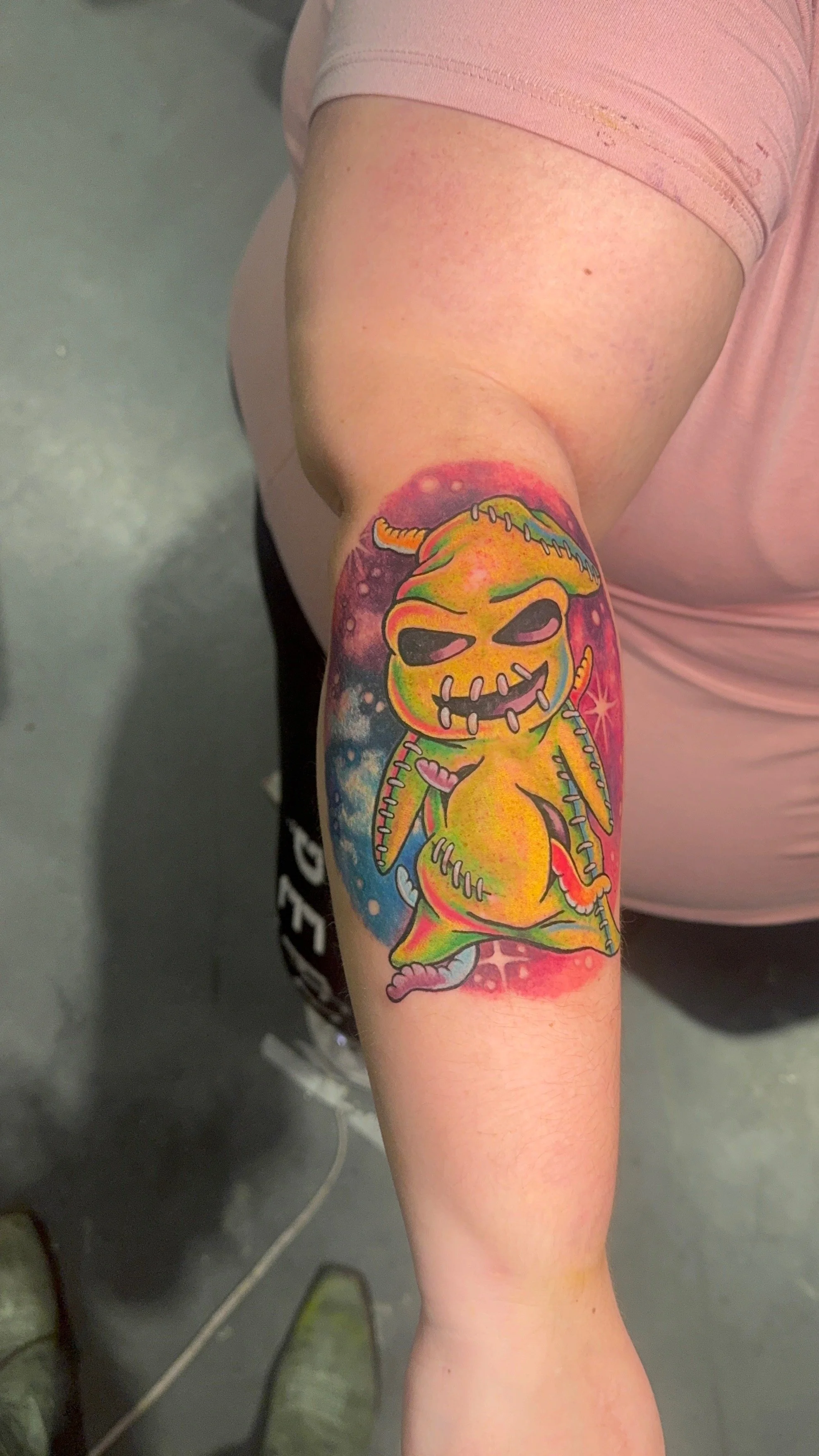
Most people think of tattoos as surface art. In reality, the science happening beneath your skin is far more fascinating than the design itself. If you have ever wondered how tattoos heal scientifically, the answer lies in skin anatomy, immune response, and microscopic ink particles settling into the dermis layer.
Let’s take a deep look at what truly happens under your skin from the moment the needle makes contact to the point your tattoo becomes permanent.
Layer One: The Needle Meets the Epidermis
Your skin has three primary layers:
Epidis
Dermis
Subcutaneous tissue
Tattoo needles rapidly puncture the outer layer, called the epidermis, up to 100 times per second. The epidermis constantly sheds and regenerates. If ink were placed only here, your tattoo would disappear within weeks.
Instead, the needle penetrates through the epidermis and deposits pigment into the dermis layer beneath it.
This depth is crucial. Too shallow and the tattoo fades. Too deep and the ink can blur.
Why the Dermis Is the Perfect Target
The dermis layer is stable compared to the constantly regenerating epidermis.
It contains:
Collagen fibers
Blood vessels
Nerve endings
Connective tissue
Immune cells
Because the dermis does not shed like the epidermis, it becomes the permanent home for tattoo pigment.
When the needle delivers ink into the dermis, your body immediately reacts as if it has been injured. That response is what begins the tattoo healing process.
The Immediate Immune Response
The moment ink particles enter your dermis, your immune system activates.
Your body does not recognize tattoo pigment as natural tissue. To your immune system, it appears as a foreign invader.
This is where macrophages enter the picture.
Macrophages: The Body’s Cleanup Crew
Macrophages are specialized immune cells that detect and engulf foreign substances. Their job is to:
Identify threats
Surround them
Digest or isolate them
When you get tattooed, macrophages rush to the dermis layer to “clean up” the ink particles.
Here is the fascinating part:
Tattoo ink particles are too large for macrophages to fully break down.
Instead of destroying them, macrophages engulf the pigment and remain in place.
This process is one of the key reasons tattoos become permanent.
Pigment Settling: The Stabilization Phase
After the initial immune response:
Some ink is carried away through the lymphatic system
Some pigment remains trapped in fibroblast cells
Macrophages hold onto large pigment particles
Fibroblasts are structural cells within the dermis that produce collagen. When they absorb ink, they essentially lock pigment into the connective tissue network.
Over several weeks, the swelling subsides and pigment stabilizes within the dermis.
This stabilization phase is what gives your tattoo its final settled appearance.
Why Tattoos Look Dull During Healing
Many people notice their tattoo looks cloudy or dull after a few days.
Scientifically, this happens because:
The epidermis is regenerating
A thin healing layer forms over the tattoo
Dead skin temporarily obscures the pigment
Once the outer layer sheds naturally, the tattoo appears clearer and more vibrant.
This stage is part of how tattoos heal scientifically and should not be mistaken for fading.
Weeks 1 to 4: Collagen Repair and Tissue Regeneration
During the first month, your body focuses on tissue repair.
Key processes include:
Collagen remodeling in the dermis
Rebuilding of damaged capillaries
Formation of stable pigment clusters
The dermis strengthens itself while encapsulating pigment particles within connective structures.
At this point, your tattoo is still healing internally even if it looks finished on the surface.
Long-Term Stability: Why Tattoos Last for Decades
Years after your tattoo session, ink particles remain because:
Macrophages continuously capture and recapture pigment
Fibroblasts anchor ink within collagen fibers
The dermis remains structurally stable
Even when macrophages die, new macrophages replace them and reabsorb released pigment.
This cellular recycling process keeps tattoos visible for decades.
Research published through organizations like the National Institutes of Health has explored how immune cells play a role in pigment retention, confirming that tattoo permanence is an immune-driven process.
What Causes Tattoo Fading Over Time
While tattoos are long-lasting, they are not immune to change.
Fading occurs due to:
UV radiation breaking down pigment
Gradual immune clearance of small particles
Skin aging and collagen breakdown
Weight fluctuations stretching skin
The American Academy of Dermatology emphasizes sun protection to preserve tattoo vibrancy, as ultraviolet light accelerates pigment breakdown.
Color vs Black Ink: Is There a Scientific Difference?
Yes.
Black ink particles are typically carbon-based and smaller, making them more stable long term.
Colored pigments may contain:
Metal-based compounds
Organic dyes
Synthetic pigments
Some color particles are more prone to breakdown or immune clearance, which explains why certain colors fade faster.
What Happens If Ink Goes Too Deep?
If pigment is deposited below the dermis into subcutaneous fat, it can spread more easily. This leads to a blurred effect often called a blowout.
Proper depth control by a skilled tatto artist ensures pigment remains within the dermis layer where stability is highest.
The Science Behind Proper Aftercare
Understanding how tattoos heal scientifically explains why aftercare matters.
Avoiding infection and irritation prevents:
Excess immune overreaction
Scar tissue formation
Pigment displacement
When healing is disrupted, the body may remove more pigment than intended.
Following proper care supports controlled immune activity and stable pigment retention.
The Bigger Picture: Tattoos as Controlled Biological Events
A tattoo session is not simply cosmetic.
It is a controlled biological process involving:
Micro-injury
Immune defense
Cellular pigment capture
Tissue remodeling
What appears as artwork on the surface is actually a delicate collaboration between ink particles and your immune system inside the dermis.
Your body does not ignore tattoo ink. It adapts to it.
Frequently Asked Questions
How do tattoos heal scientifically?
Tattoos heal through immune response, collagen repair, and pigment stabilization within the dermis layer, where macrophages and fibroblasts trap ink particles.
Why does tattoo ink stay in the skin?
Macrophages engulf ink particles but cannot break them down, so pigment remains trapped within dermal cells.
Do tattoos go into the bloodstream?
A small amount of microscopic pigment may enter the lymphatic system, but most particles remain in the dermis.
Why do tattoos peel?
Peeling occurs as the epidermis regenerates and sheds damaged surface cells during the healing process.
Can the immune system remove a tattoo naturally?
Not fully. While some pigment is cleared over time, most particles are too large for complete removal without laser treatment.
Final Thoughts
The next time you look at a tattoo, remember that beneath the design lies a complex scientific process. Ink particles embedded in the dermis layer interact with macrophages, fibroblasts, and collagen networks to create lasting body art.
Understanding how tattoos heal scientifically not only deepens appreciation for the art form but also reinforces why proper aftercare and professional technique are essential.
A tattoo is not just ink on skin. It is biology, immunity, and permanence working together at a microscopic level.