
Advanced Nose Piercing Guide: Septum vs Nostril in Atlanta Studios
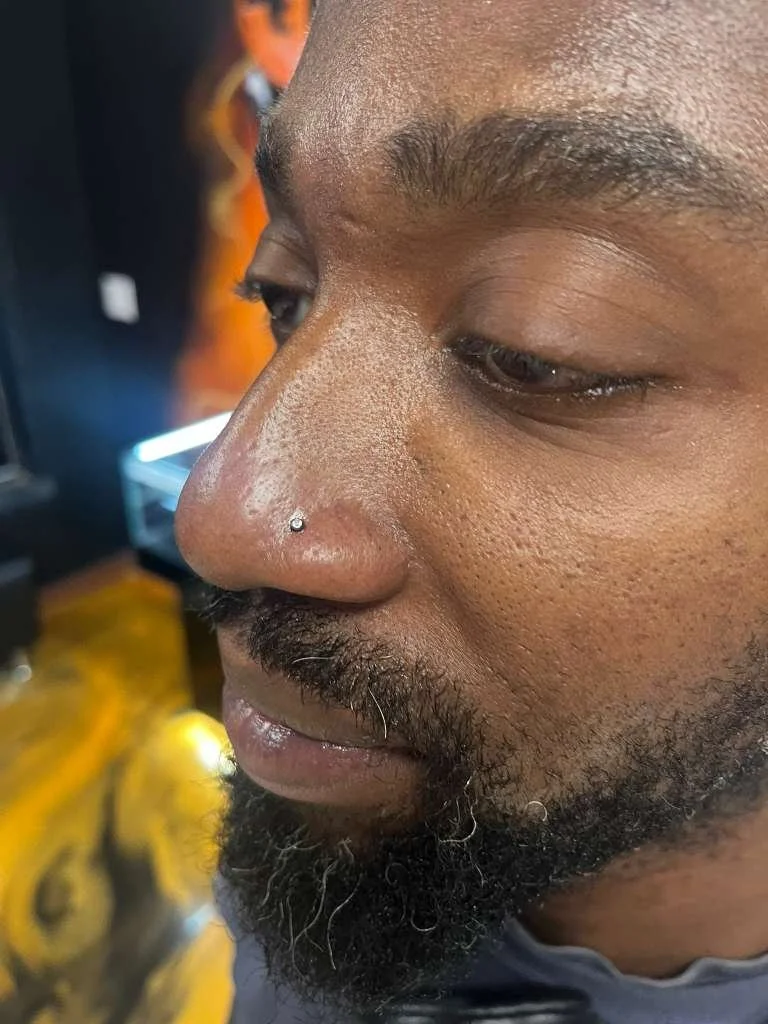
Nose piercings have become one of the most popular forms of self-expression in modern body art. In a city known for creativity and individuality like Atlanta, both septum and nostril piercings are widely requested at professional piercing studios. While the two styles may seem similar at first glance, they involve different anatomy, healing processes, and jewellery options.
Understanding what happens beneath the skin helps you make a smarter decision before booking an appointment. This guide explores the anatomical differences, healing timelines, and lifestyle considerations behind septum piercing Atlanta GA and nostril piercing Atlanta so you can choose the option that fits your look and comfort level.
Understanding Nose Anatomy Before Getting Pierced
The nose is a complex structure made of bone, cartilage, and soft tissue. The location of a piercing determines how the body responds during healing.
The outer nose area, where nostril piercings are placed, contains dense cartilage and soft tissue layers. Cartilage receives less blood flow compared to other tissues, which is why healing tends to take longer and requires careful aftercare.
The septum, on the other hand, sits in the middle of the nose and divides the nostrils. Interestingly, most professional piercers do not pierce the thick cartilage itself. Instead, they locate a small area called the “sweet spot.”
This sweet spot is a thin membrane of skin located just below the cartilage. Because it contains softer tissue, a well-placed septum piercing often heals faster and feels less painful than people expect.
Experienced piercers in Atlanta carefully identify this area during the consultation stage to ensure the piercing is both safe and symmetrical.
Nostril Piercing: A Classic Style with Versatile Jewellery
Nostril piercings remain one of the most timeless forms of facial jewellery. They work well with a wide variety of aesthetics, from subtle studs to decorative hoops.
Placement Options
Professional piercers can place nostril piercings in several positions depending on facial structure and personal style:
Traditional side nostril placement
High nostril piercing
Double nostril piercings
Symmetrical nostril piercings on both sides
Because the piercing passes through cartilage and soft tissue, precision and sterile technique are essential. Most studios performing nostril piercing Atlanta services use single-use needles and implant-grade jewellery to minimise irritation.
Healing Timeline
Typical healing for nostril piercings ranges between 4 to 6 months, although some people may take longer depending on their body’s response.
Common healing stages include:
Initial swelling and tenderness
Formation of healing tissue around the jewellery
Gradual stabilisation of the piercing channel
During this time, avoiding jewellery changes too early is important because cartilage can easily become irritated.
Septum Piercing: Anatomy and the “Sweet Spot”
Septum piercings have grown rapidly in popularity over the past decade. Their versatility and ability to be hidden for work environments make them appealing to many first-time clients.
Unlike nostril piercings, the septum piercing passes through the thin tissue separating the nostrils.
Why Placement Matters
Correct placement is critical. A poorly placed septum piercing that hits cartilage instead of the sweet spot can cause:
Increased pain
Extended healing time
Difficulty flipping jewellery
Possible migration
Professional studios specialising in septum piercing Atlanta GA rely on anatomical assessment before piercing to locate the correct position.
Healing Timeline
Because the sweet spot contains softer tissue, septum piercings often heal faster than cartilage piercings.
Typical healing time ranges from 6 to 8 weeks for the initial stage, with full healing taking around 3 months.
Many clients find the recovery process smoother compared to nostril piercings when proper aftercare is followed.
Pain Comparison: Septum vs Nostril
Pain tolerance varies from person to person, but the anatomical differences create distinct experiences.
Nostril Piercing Pain Level
Because the needle passes through cartilage, nostril piercings may feel slightly sharper or more intense during the procedure.
However, the discomfort usually lasts only a few seconds.
Septum Piercing Pain Level
When placed correctly in the sweet spot, septum piercings often feel like a quick pressure rather than a sharp pain.
Many clients report their expectations were worse than the actual experience.
Jewellery Styles and Aesthetic Differences
Another key difference between these piercings lies in the jewellery options available.
Nostril Jewellery
Popular jewellery styles include:
Nose studs
L-shaped nose pins
Seam rings
Hoops
Nostril jewellery tends to be smaller and more subtle, making it ideal for minimalist looks.
Septum Jewellery
Septum piercings offer more decorative flexibility.
Common styles include:
Circular barbells (horseshoe rings)
Clicker rings
Decorative septum rings
Segment rings
Many septum rings feature intricate designs, gemstones, or ornate patterns that create a bold visual statement.
Lifestyle Considerations Before Choosing a Piercing
Before deciding between septum and nostril piercings, consider how each one fits into your lifestyle.
Work and Professional Settings
Septum piercings have a unique advantage: they can often be flipped upward inside the nose, making them invisible when needed.
This flexibility appeals to clients working in conservative workplaces.
Allergies and Sinus Sensitivity
People who frequently experience sinus infections or severe allergies may prefer nostril piercings because septum jewellery can sometimes feel sensitive during nasal inflammation.
A consultation with an experienced piercer helps determine which option will be most comfortable long term.
Aftercare: Supporting Proper Healing
Regardless of which piercing you choose, consistent aftercare is essential.
Professional piercers typically recommend:
Cleaning the piercing twice daily with sterile saline solution
Avoiding unnecessary touching or twisting
Keeping cosmetics and skincare products away from the area
Sleeping carefully to avoid pressure on fresh piercings
Proper hygiene and patience significantly reduce the risk of complications.
Why Professional Studios Matter
Nose piercings may look simple, but proper placement requires knowledge of anatomy, sterile procedures, and high-quality jewellery.
Reputable studios in Atlanta follow strict health standards and provide consultations before performing a piercing.
Professional piercers evaluate factors such as:
Nasal anatomy
Skin thickness
Jewellery compatibility
Healing expectations
Choosing an experienced studio ensures your piercing heals properly and aligns with your aesthetic goals.
Choosing Between Septum and Nostril Piercing
Both piercing styles offer unique advantages, and the best choice depends on your preferences and anatomy.
Choose a nostril piercing if you want:
A classic, subtle look
Small jewellery options
Flexible placement styles
Choose a septum piercing if you prefer:
Faster healing potential
Bold jewellery designs
The ability to hide the piercing when needed
Consulting with a skilled piercer allows you to explore both options and determine what suits your face shape and lifestyle.
FAQs
Does a septum piercing hurt more than a nostril piercing?
Not usually. When placed correctly in the soft tissue sweet spot, septum piercings often feel less painful than cartilage nostril piercings.
How long does a nostril piercing take to heal?
Most nostril piercings heal in about 4 to 6 months, though full healing may take longer depending on aftercare and individual biology.
Can I hide a septum piercing for work?
Yes. Many septum jewellery styles can be flipped upward inside the nose, making the piercing discreet when necessary.
What jewellery is best for a new nose piercing?
Professional studios usually recommend implant-grade titanium or surgical steel jewellery because these materials minimise irritation during healing.
How do I choose a safe piercing studio in Atlanta?
Look for studios that use sterile equipment, single-use needles, and provide clear aftercare instructions. Experienced piercers will also evaluate your anatomy before performing the piercing.