
What to Know Before Getting a Body Piercing in Atlanta: Jewellery, Healing, and Studio Standards
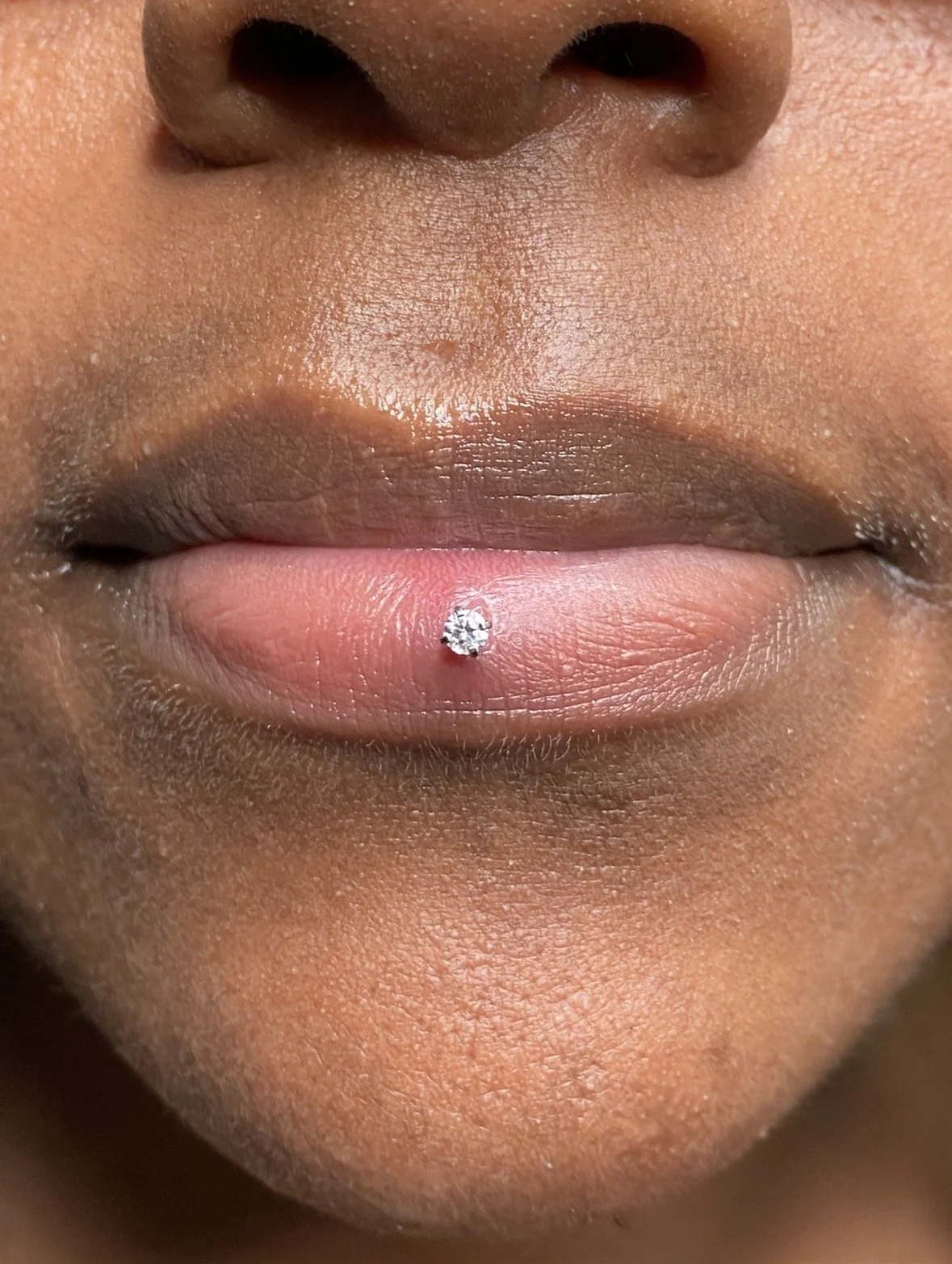
Body piercing has become one of the most popular forms of self-expression in Atlanta. From minimalist nose studs to curated ear projects, people are increasingly choosing piercings as part of their personal style, identity, and creativity. While trends continue evolving, one thing remains consistent: a successful piercing experience depends heavily on professional technique, jewellery quality, hygiene, and proper aftercare.
Many first-time clients focus only on the appearance of the piercing itself. However, experienced piercers understand that healing, placement, anatomy, and jewellery material are just as important as aesthetics. Whether you are considering a nose piercing, cartilage piercing, navel piercing, or a curated ear setup, understanding the process beforehand can help reduce complications and improve long-term comfort.
If you are researching body piercings in Atlanta, this guide explains what clients should know before booking an appointment.
Why Professional Piercing Standards Matter
A body piercing is a procedure that involves penetrating the skin or cartilage. Because of that, professional hygiene and sterilisation standards are essential.
A reputable piercing studio should prioritise:
Sterile equipment
Single-use needles
Proper hand hygiene
Clean workstations
Safe jewellery handling
Clear aftercare instructions
Professional piercers also understand anatomy, placement, and healing patterns, which helps improve both comfort and appearance.
The Association of Professional Piercers safety standards explains why professional piercing environments and implant-grade jewellery are important for reducing irritation and improving healing outcomes.
Choosing a qualified studio is often one of the most important decisions in the entire piercing process.
Understanding Different Jewellery Materials
Jewellery material directly affects healing, comfort, and irritation levels. Some metals are more compatible with sensitive skin than others.
Titanium
Titanium is one of the most recommended materials for fresh piercings. It is lightweight, durable, corrosion-resistant, and generally well tolerated by sensitive skin.
Many professional piercers prefer implant-grade titanium because it contains minimal irritants and reduces the risk of allergic reactions.
Surgical Steel
Surgical steel is commonly used in body jewellery, but certain steel alloys may contain nickel. Some individuals are sensitive to nickel exposure, which can contribute to irritation during healing.
Gold
Gold jewellery is popular because of its appearance and long-term durability. However, lower-quality gold blends may contain metals that increase skin sensitivity.
High-quality gold jewellery is often recommended after the initial healing period.
Platinum
Platinum is durable and highly resistant to corrosion, though it is typically more expensive than other materials.
Jewellery quality matters because healing tissue is especially sensitive during the early stages after piercing.
Anatomy Plays a Bigger Role Than Most People Realise
Not every piercing placement works equally well for every person. Anatomy influences both the appearance of a piercing and how well it heals.
Professional piercers evaluate factors such as:
Ear structure
Skin thickness
Cartilage shape
Swelling potential
Blood circulation
Jewellery sizing
For example, some people may not have enough tissue for certain cartilage placements, while others may heal better with slightly adjusted positioning.
This is why professional consultation matters before committing to a piercing.
Common Piercings and Their Healing Challenges
Different piercings heal differently depending on location, anatomy, and lifestyle habits.
Earlobe Piercings
Lobe piercings usually heal faster because the tissue is softer and has stronger blood circulation.
Cartilage Piercings
Helix, conch, tragus, and industrial piercings often take longer to heal because cartilage receives less blood flow.
Cartilage piercings are also more sensitive to:
Sleeping pressure
Headphones
Hair friction
Sweat buildup
Nose Piercings
Nose piercings remain extremely popular because they suit many jewellery styles and aesthetics. However, irritation bumps may develop if jewellery moves excessively or if improper aftercare products are used.
Navel Piercings
Navel piercings are prone to friction from clothing, waistbands, and physical movement. Healing can take longer if the area experiences constant irritation.
Why Atlanta’s Climate Can Affect Piercing Healing
Atlanta’s warm temperatures and humidity levels can influence healing more than many clients expect.
Hot weather may increase:
Sweat production
Skin irritation
Moisture buildup
Friction from clothing
Exposure to bacteria
Humidity itself does not ruin piercings, but excess sweat and trapped moisture can irritate healing tissue.
People researching piercing aftercare Atlanta tips should understand that climate can affect healing routines.
Loose clothing, clean bedding, and proper hygiene become especially important during warmer months.
Proper Aftercare Makes a Major Difference
Aftercare significantly affects whether a piercing heals comfortably or becomes irritated.
Common recommendations include:
Cleaning with sterile saline solution
Avoiding unnecessary touching
Washing hands before cleaning
Avoiding harsh chemicals near the piercing
Not rotating jewellery unnecessarily
Avoiding swimming during early healing
The Mayo Clinic tattoo and piercing safety guide explains why consistent aftercare is important for reducing complications and supporting healthy healing.
One common mistake is over-cleaning. Excessive cleaning can dry out or irritate healing tissue, which may slow recovery instead of improving it.
Signs of Healthy Healing vs Potential Irritation
Mild swelling, redness, tenderness, and sensitivity are common during the first stages of healing.
However, ongoing symptoms may indicate irritation or complications.
Possible warning signs include:
Thick discharge
Excessive swelling
Severe pain
Jewellery embedding into the skin
Persistent heat around the area
Expanding redness
The OSHA bloodborne pathogens workplace safety guidance highlights why contamination prevention and sterilisation are critical in procedures involving skin penetration.
If symptoms worsen or do not improve, professional evaluation may be necessary.
Jewellery Sizing Is More Important Than Many Clients Think
Improper jewellery sizing can contribute to irritation and delayed healing.
Jewellery that is too tight may:
Restrict swelling
Create pressure
Cause discomfort
Jewellery that is too loose may:
Move excessively
Catch on clothing or hair
Increase irritation
Professional piercers typically select jewellery sizes that allow room for initial swelling while maintaining stability during healing.
Curated Ear Styling Continues to Grow in Popularity
Curated ear styling has become one of the biggest piercing trends in Atlanta.
Instead of getting a single piercing, many clients now plan complete ear layouts that combine multiple placements and jewellery styles.
These curated designs may include:
Multiple lobe piercings
Helix piercings
Conch placements
Tragus jewellery
Forward helix arrangements
People exploring hypoallergenic body piercing Atlanta options often combine jewellery planning with ear curation for a more cohesive look.
Atlanta’s fashion, music, and creative communities continue influencing these styling trends.
Questions to Ask Before Booking a Piercing Appointment
Before choosing a piercing studio, clients should feel comfortable asking questions.
Helpful questions include:
What jewellery materials do you use?
Are needles single-use?
What sterilisation methods are followed?
How long will healing take?
What aftercare products are recommended?
Can anatomy affect placement options?
Clear communication helps clients make more informed decisions and better understand the healing process.
Final Thoughts
Body piercing involves far more than choosing jewellery or placement. Professional hygiene, anatomy, jewellery material, aftercare, and lifestyle habits all influence healing and long-term comfort.
For anyone considering a piercing in Atlanta, understanding these factors can help create a safer and more informed experience.
A well-planned piercing supported by quality jewellery and proper aftercare often leads to better healing, fewer complications, and more satisfying long-term results.
FAQs
1. What jewellery material is best for sensitive skin?
Titanium is commonly recommended because it is lightweight, durable, and less likely to trigger irritation.
2. Why do cartilage piercings heal more slowly?
Cartilage has lower blood circulation than softer tissue, which slows the healing process.
3. How often should a new piercing be cleaned?
Most piercers recommend gentle saline cleaning once or twice daily.
4. Can humidity affect piercing healing?
Yes. Sweat and excess moisture may increase irritation during healing.
5. When can jewellery be changed?
Jewellery should only be changed after the piercing is fully healed or when advised by a professional piercer.