
Fine Line Tattoos in Atlanta: Longevity, Risks, and Technique Differences
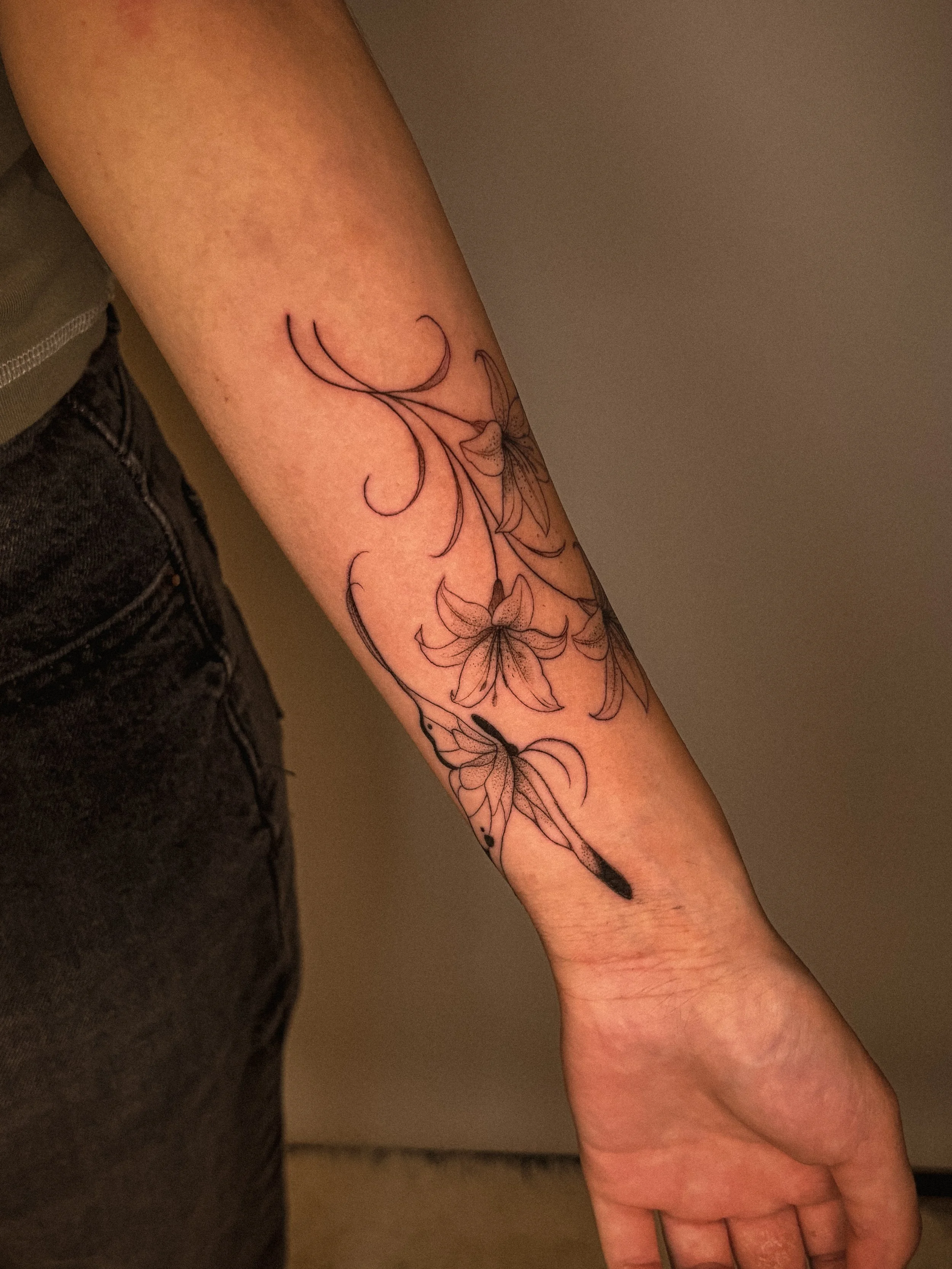
Fine line tattoos have become one of the most requested styles in modern tattoo culture. Known for their delicate detail, subtle shading, and minimalist aesthetic, these tattoos are popular among clients looking for elegant and understated body art. In a creative city like Atlanta, the demand for precise and refined tattoo styles continues to grow.
But many people searching for fine line tattoo aging in Atlanta ask the same question: Do these delicate tattoos last as well as traditional designs?
The answer lies in the science of the skin, ink placement, and the skill of the tattoo artist. Understanding how ink behaves beneath the skin can help you make an informed decision before committing to a fine line tattoo.
What Makes Fine Line Tattoos Different?
Fine line tattoos are defined by extremely thin lines created with small needle groupings. Instead of bold outlines and heavy shading, artists use minimal ink to produce intricate designs such as florals, lettering, micro realism, and geometric patterns.
This style requires exceptional precision because even slight variations in needle depth or pressure can change the final result.
Compared to traditional tattoos, fine line designs typically feature:
Smaller needle groupings
Less pigment saturation
Minimal shading or bold outlines
Higher emphasis on negative space
Because the lines are thinner, even minor changes in the skin over time can affect the tattoo’s appearance more noticeably.
The Science Behind Tattoo Ink Under the Skin
When a tattoo is created, the needle deposits pigment into the dermis, the second layer of skin beneath the epidermis. This layer is stable enough to hold pigment long-term, which is why tattoos can last for decades.
Immediately after the tattoo is applied, the body begins a healing process that involves inflammation, immune response, and tissue repair. Some ink particles are captured by immune cells called macrophages, while others become trapped in fibroblasts within the dermis.
This process is what keeps tattoos visible for years. Instead of removing the pigment completely, the body repeatedly captures and redistributes ink particles inside the skin.
For fine line tattoos, however, the smaller amount of pigment means the long-term visual impact of these biological processes becomes more noticeable.
Ink Migration and Skin Changes Over Time
One of the most discussed topics related to fine line tattoo aging in Atlanta is ink migration. This refers to the gradual movement of pigment particles within the dermis.
Over time, several factors contribute to this process:
Natural Skin Aging
Skin loses collagen and elasticity as we age. This causes subtle stretching and thinning that can soften tattoo edges.
Immune Cell Turnover
Macrophages that hold pigment eventually die, releasing the ink particles that are then captured by new immune cells. This repeated cycle can slowly redistribute pigment and blur fine lines.
Ink Particle Size
Fine line tattoos often use very small pigment particles to achieve crisp detail. While this creates a sharp appearance initially, smaller particles are more susceptible to gradual migration within the skin.
The result is a softening effect that typically becomes noticeable after several years.
Blowouts vs Natural Ink Spread
Not all tattoo spreading is the same. Understanding the difference between natural aging and technique-related issues is important.
Natural Ink Spread
This occurs slowly over many years as skin structure changes and immune processes redistribute pigment.
Tattoo Blowout
A blowout happens when the artist deposits ink too deep into the skin, pushing pigment into the subcutaneous fat layer. When this happens, the tattoo can develop a blurry or shadowed appearance shortly after healing.
Experienced tattoo artists know how to control needle depth and pressure to minimize this risk.
Factors That Affect Fine Line Tattoo Longevity
While fine line tattoos can age beautifully, their longevity depends on several variables.
Tattoo Placement
Areas with thicker skin tend to preserve detail longer.
Common placements with better aging include:
Upper back
Outer forearm
Calves
Areas with thinner skin or frequent movement may experience faster softening.
Sun Exposure
Ultraviolet light breaks down tattoo pigments and accelerates skin aging. Consistent sun protection helps maintain tattoo clarity over time.
Resources such as the American Academy of Dermatology provide guidance on protecting tattoos and preventing UV damage.
Skin Type
Every person’s immune system responds differently to tattoo pigment. Some people retain crisp lines for many years, while others may notice faster fading.
Tattoo Size and Spacing
Designs with adequate spacing between lines generally age better than extremely dense or microscopic details.
Technique Matters More Than Style
A skilled tattoo artist understands how skin will evolve over time. Good technique involves more than just creating thin lines. It includes designing tattoos that age well.
Professional tattoo artists often adjust designs by:
Increasing line spacing
Slightly thickening lines for longevity
Choosing appropriate placement areas
Education about proper tattooing practices is available through organizations like the Alliance of Professional Tattooists.
Another helpful resource on tattoo science and skin health can be found through DermNet, which explains tattoo complications and pigment behavior.
These resources emphasize that tattoo longevity depends heavily on both technique and aftercare.
Fine Line Tattoos in Atlanta
Atlanta has developed a thriving tattoo culture known for artistic diversity and technical expertise. Clients seeking detailed and minimalist designs often look for studios that specialize in precision work.
If you are considering a fine line tattoo, working with an experienced studio can make a significant difference in both the healing process and long-term results.
At Southern Ink, Atanta, artists focus on creating clean, balanced designs that consider how tattoos age on real skin. Whether you are exploring micro tattoos, minimalist symbols, or delicate script work, the team prioritizes thoughtful placement and careful line work.
Learn more about the studio, artists, and tattoo services by visiting
https://www.southerninkatlanta.com/
Tips to Help Fine Line Tattoos Age Better
If you want your fine line tattoo to remain sharp for years, consider these practical steps.
Choose an experienced artist who specializes in delicate line work.
Select a design with enough spacing between details.
Follow aftercare instructions carefully during the healing period.
Use sunscreen regularly once the tattoo is healed.
Maintain healthy skin through hydration and proper skincare.
These steps cannot stop natural aging, but they can significantly improve how the tattoo evolves.
Frequently Asked Questions
Do fine line tattoos fade faster than traditional tattoos?
Fine line tattoos can fade slightly faster because they contain less pigment and thinner lines. However, with proper placement and aftercare, they can remain visible for many years.
How long do fine line tattoos stay crisp?
Most fine line tattoos maintain their sharp appearance for several years. Gradual softening can occur over time due to natural skin aging and pigment movement.
Can ink migration be prevented?
Ink migration cannot be completely prevented because it is part of the body’s natural biological processes. However, proper technique and good skin care can minimize its visual impact.
Are fine line tattoos more likely to blow out?
Not necessarily. Blowouts occur when ink is placed too deep in the skin. An experienced tattoo artist understands proper needle depth and can avoid this issue.
Is Atlanta a good city for fine line tattoo artists?
Yes. Atlanta has a large and diverse tattoo community with many artists who specialize in fine line, micro realism, and minimalist tattoo styles.
Fine line tattoos combine artistry, technique, and biology. While their delicate appearance makes them unique, understanding how skin and pigment interact over time helps set realistic expectations.
With the right artist, thoughtful design, and proper care, fine line tattoos can age gracefully while still preserving the elegance that makes them so popular in Atlanta’s tattoo scene.