
What Impacts Tattoo Pricing at Atlanta Tattoo and Piercing Shops
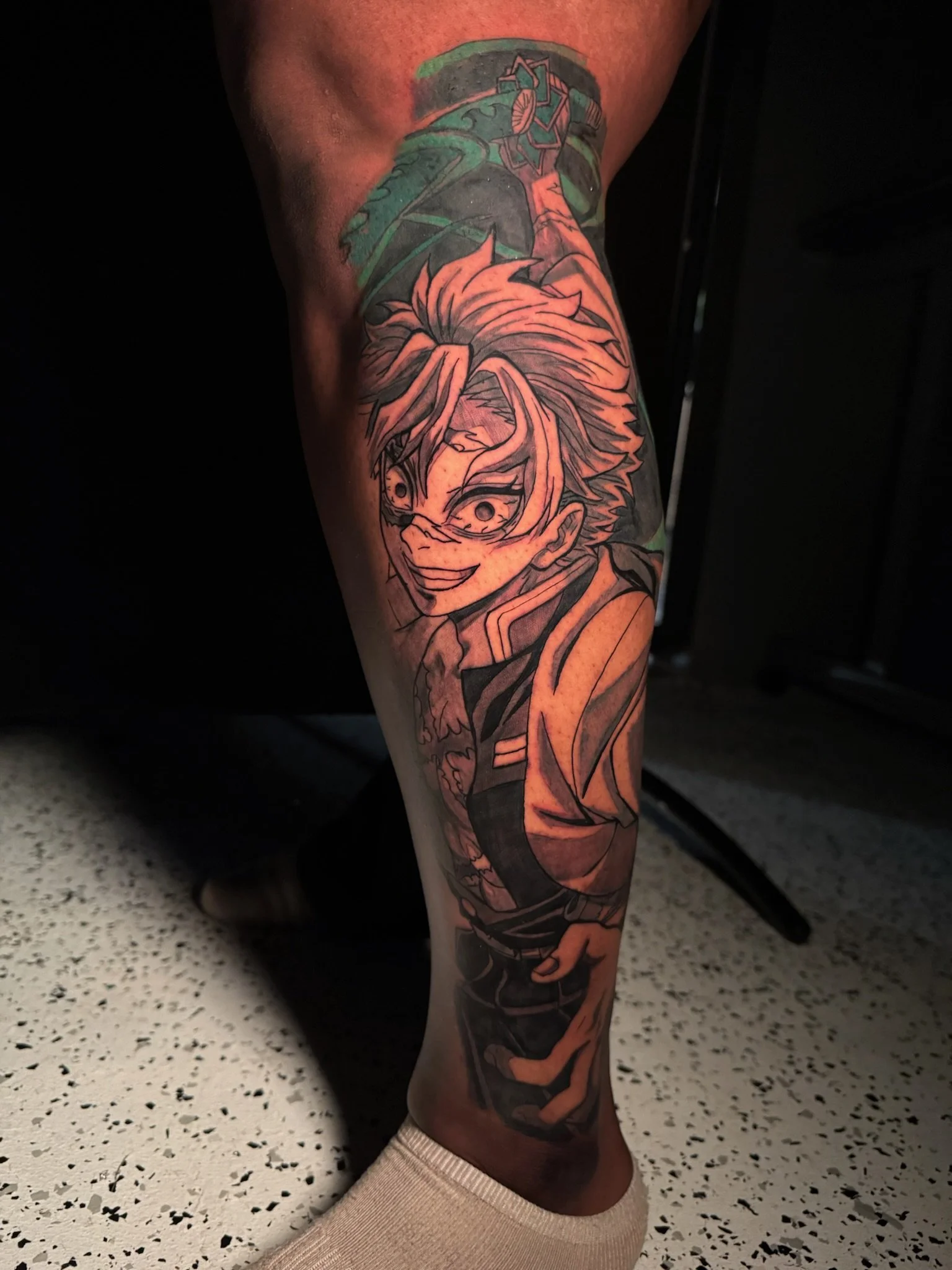
One of the most common questions people ask before getting a tattoo is simple. How much will it cost?
Tattoo pricing varies widely depending on the design, artist experience, and time required to complete the work. If you are visiting a tattoo artist in Atlanta, understanding what influences pricing can help you plan your budget and set realistic expectations before booking a session.
Tattoo artists in Atlanta combine technical skill, creative design, and specialized equipment to create permanent artwork. Because every tattoo is unique, pricing is rarely one size fits all.
Here are the most important factors that affect tattoo costs at professional Atlanta tattoo and piercing shops.
Tattoo Size and Complexity
The size of the tattoo is one of the biggest factors in determining price.
Small tattoos that take less than an hour may fall within a shop’s minimum price range. Larger pieces that cover significant portions of the body require more time and precision, which increases the total cost.
Complexity also plays a major role.
For example, tattoos that include:
Fine line detail
Realistic shading
Portrait elements
Intricate geometric patterns
Artists often use different needle configurations to achieve these effects. Understanding tattoo needle types explained can help clients appreciate why complex designs take longer to produce and therefore cost more.
Artist Experience and Reputation
Tattoo artists develop their skills over many years of practice. Experienced artists with strong portfolios often charge higher rates because their work demonstrates consistent quality and precision.
An established tattoo artist in Atlanta may charge more per hour than a newer artist. However, experienced professionals are also more likely to produce clean lines, balanced designs, and tattoos that age well.
When choosing an artist, it is important to look beyond price alone. A poorly executed tattoo can require expensive cover ups or laser removal later.
Time Required for the Tattoo
Most tattoo studios base pricing on hourly rates or flat project pricing depending on the size of the design.
Short sessions may fall under a shop minimum, which covers the setup time, sterilization process, and materials used during the procedure.
Larger projects such as sleeves, chest panels, or back pieces may require multiple sessions over several weeks or months. Each session contributes to the final cost.
Because tattooing involves depositing pigment into the dermis layer of the skin, the artist must work carefully to avoid damaging surrounding tissue. This process plays an important role in how tattoos heal scientifically, which is why rushing a tattoo is never recommended.
Placement on the Body
The location of a tattoo can influence pricing because some areas are more challenging to work on than others.
Areas that may increase difficulty include:
Ribs
Hands
Neck
Feet
Spine
These areas require careful positioning and often involve more sensitive skin. Artists may need additional time to maintain accuracy while ensuring client comfort.
Placement also affects the long term appearance of a tattoo. Skin movement and sun exposure can influence how well a tattoo ages over time.
Color vs Black and Grey Tattoos
Another pricing factor is whether the tattoo will be done in color or black and grey.
Black and grey tattoos rely primarily on shading techniques to create depth and dimension. Color tattoos require additional pigment layers and more blending work to achieve vibrant results.
Color tattoos may take longer to complete because the artist must build multiple pigment layers to achieve smooth saturation.
Different needle groupings such as magnum needles are often used during this stage to distribute color evenly across the skin.
Custom Design Work
Many tattoo artists create custom artwork specifically for each client.
This design process can involve:
Consultation sessions
Concept sketches
Digital design revisions
Placement planning
Custom artwork ensures the tattoo is unique and tailored to the client’s body shape and aesthetic preferences.
While some artists include design work within the session price, others charge a small drawing fee for complex custom designs.
Studio Standards and Safety Practices
Professional tattoo studios invest heavily in safety and sanitation. Sterile equipment, single use needles, and high quality inks are essential for protecting client health.
Organizations like the Centers for Disease Control and Prevention provide infection prevention guidelines that many tattoo studios follow.
Additionally, tattoo studios in Georgia must comply with health regulations established by the Georgia Department of Public Health.
These standards require proper licensing, sterilization procedures, and safe handling of tattoo equipment. Maintaining these standards contributes to operating costs for professional studios.
Demand and Artist Availability
In a vibrant city like Atlanta, some tattoo artists have waiting lists that stretch several months.
Artists who specialize in highly detailed styles or large custom projects may charge premium rates due to demand for their work.
Booking early allows clients to secure time with their preferred artist and discuss design details during consultation.
Timing and Seasonal Demand
Tattoo demand can fluctuate throughout the year.
Many people schedule tattoos during cooler months because clothing can easily cover fresh tattoos while they heal. Planning sessions during the best time to visit a tattoo shop in Atlanta can help support the healing process and avoid excess sun exposure.
While studios operate year round, thoughtful scheduling can make recovery more comfortable.
Why Cheap Tattoos Often Cost More Later
Budget tattoos may seem appealing, but extremely low prices can signal inexperience or poor sanitation practices.
Common problems with low quality tattoos include:
Uneven lines
Patchy shading
Poor placement
Premature fading
Correcting these issues often requires expensive cover ups or laser treatments.
Choosing a reputable studio ensures that your tattoo is created with professional equipment, sterile practices, and experienced technique.
Organizations like the Alliance of Professional Tattooists promote professional standards that support safe and responsible tattooing.
FAQs
How much does a tattoo cost in Atlanta?
Tattoo prices vary depending on size, complexity, and artist experience. Small tattoos may start around a shop minimum, while larger pieces can require multiple sessions.
Why do tattoo artists charge hourly rates?
Hourly pricing reflects the time required to create the design, apply the tattoo, and ensure proper technique and safety.
Do color tattoos cost more than black and grey tattoos?
Color tattoos can take longer to complete due to layering and blending techniques, which may increase the total cost.
Does tattoo placement affect price?
Yes. Areas that are difficult to tattoo or require careful positioning may increase the time needed for the session.
How can I get an accurate tattoo price estimate?
The best way is to schedule a consultation with a professional tattoo artist who can evaluate your design and placement.
Final Thoughts
Tattoo pricing reflects far more than just the ink applied to the skin. It includes artistic skill, design preparation, professional equipment, safety standards, and the time required to create a lasting piece of artwork.
When working with a professional tattoo artist in Atlanta, the goal is not just affordability but quality, safety, and long term satisfaction with your tattoo.
Understanding what influences tattoo pricing helps you make informed decisions and ensures that your next tattoo experience is both rewarding and memorable.